Modern monarchy
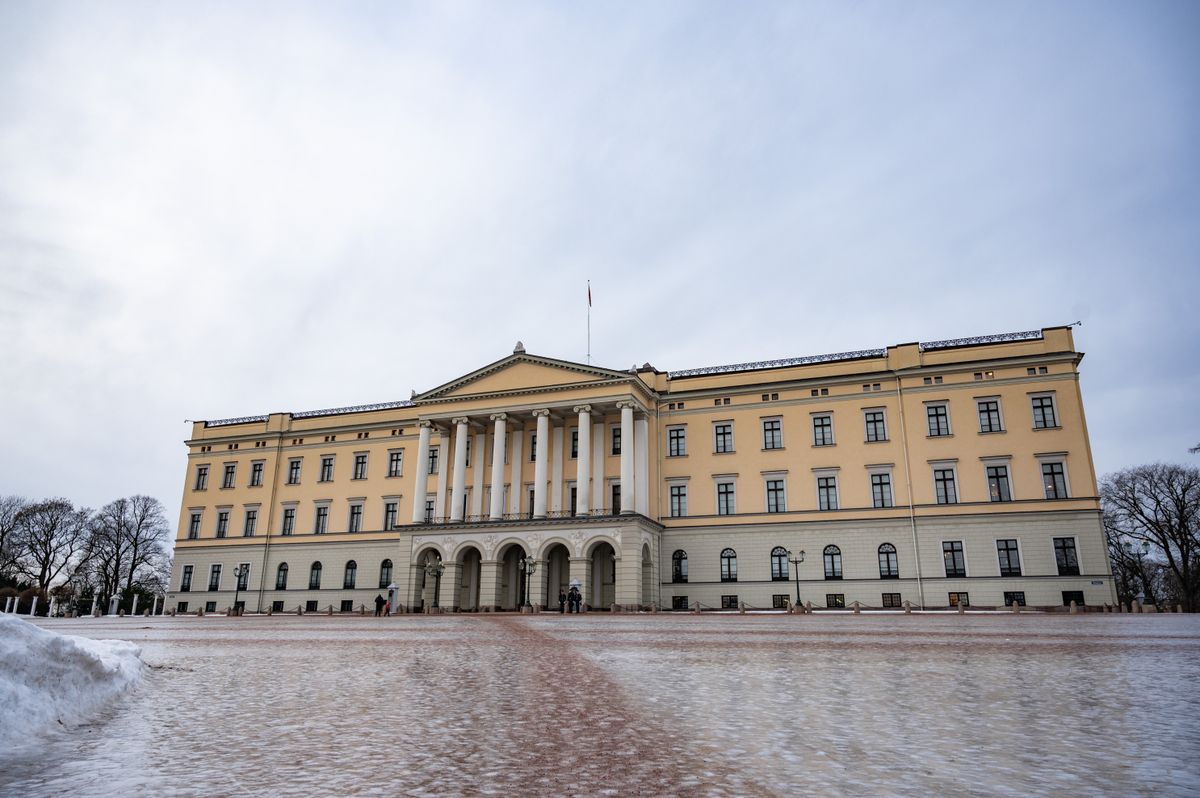
Norway’s new king: understanding Haakon VIII’s accession
A constitutional transition in August 2026 connects a new reign with a familiar national promise.
25 stories. Useful ideas. Room for a little perspective.
A constitutional transition in August 2026 connects a new reign with a familiar national promise.
A September 2026 painting offers a way to read royal symbols, family memory and modern artistic choices.
Sweden’s 2026 celebrations show how a birthday and a wedding anniversary become national occasions.
The September 2026 Dutch speech rewards a careful distinction between a king’s voice and a government programme.
The official biography offers a starting point for understanding training, representation and the title King of the Belgians.
Spain’s official biography is best read alongside the oath that marked the beginning of the reign.
A verified June 2026 report puts public access and ceremonial work at the centre of the palace’s next chapter.
A royal biography becomes richer when public speaking is placed beside diplomatic travel and a changing world.
The king’s familiar image becomes more revealing when set against the spaces that organized court life.
A painting made after the coronation shows why royal images need dates as well as names.
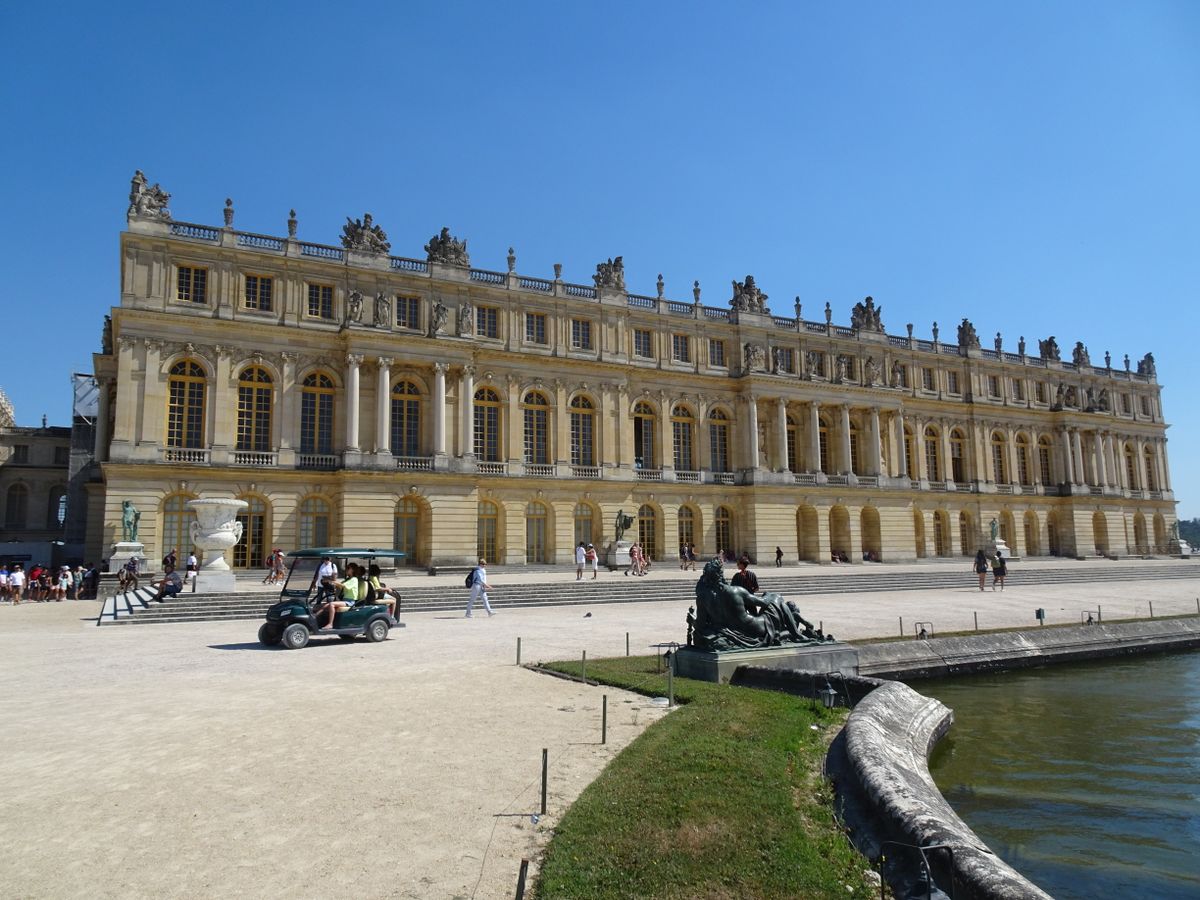
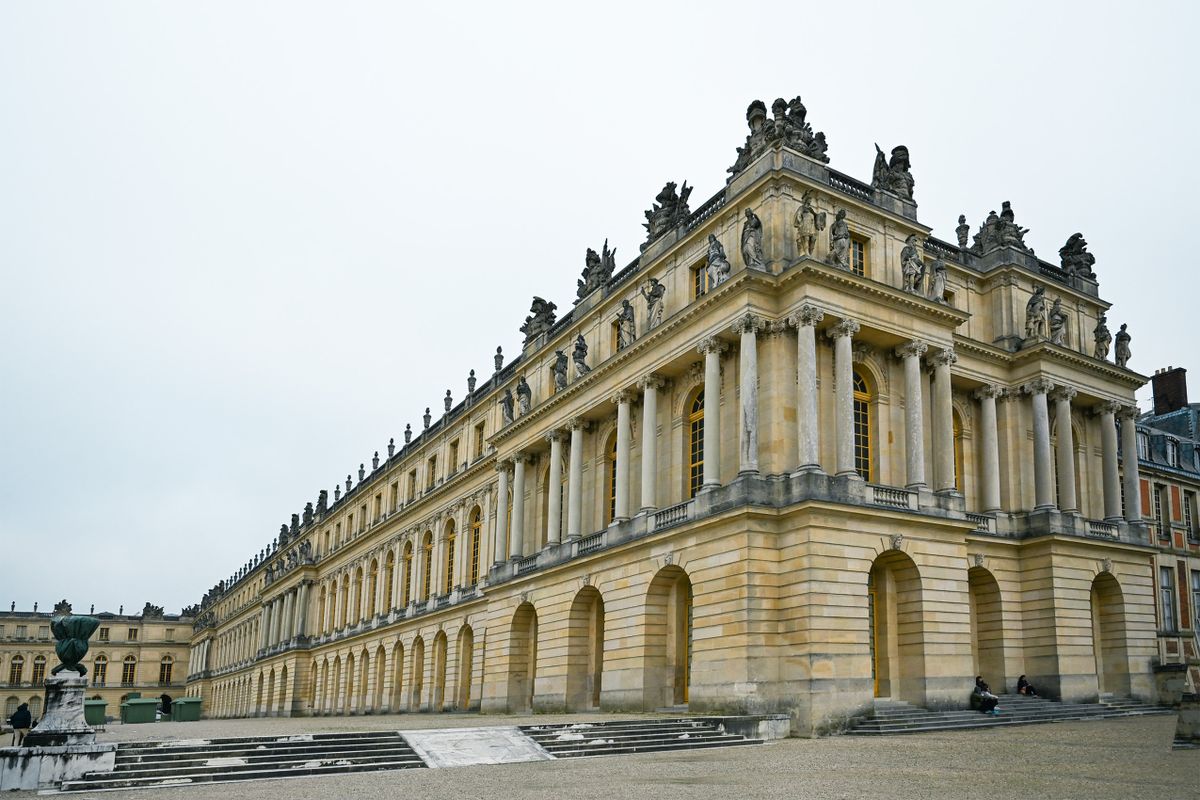
Court architecture provides a route into the Sun King’s reign without mistaking magnificence for a complete history.
A 2026 report on a recreated bedroom prompts a careful look at objects, evidence and the last years of royal Versailles.
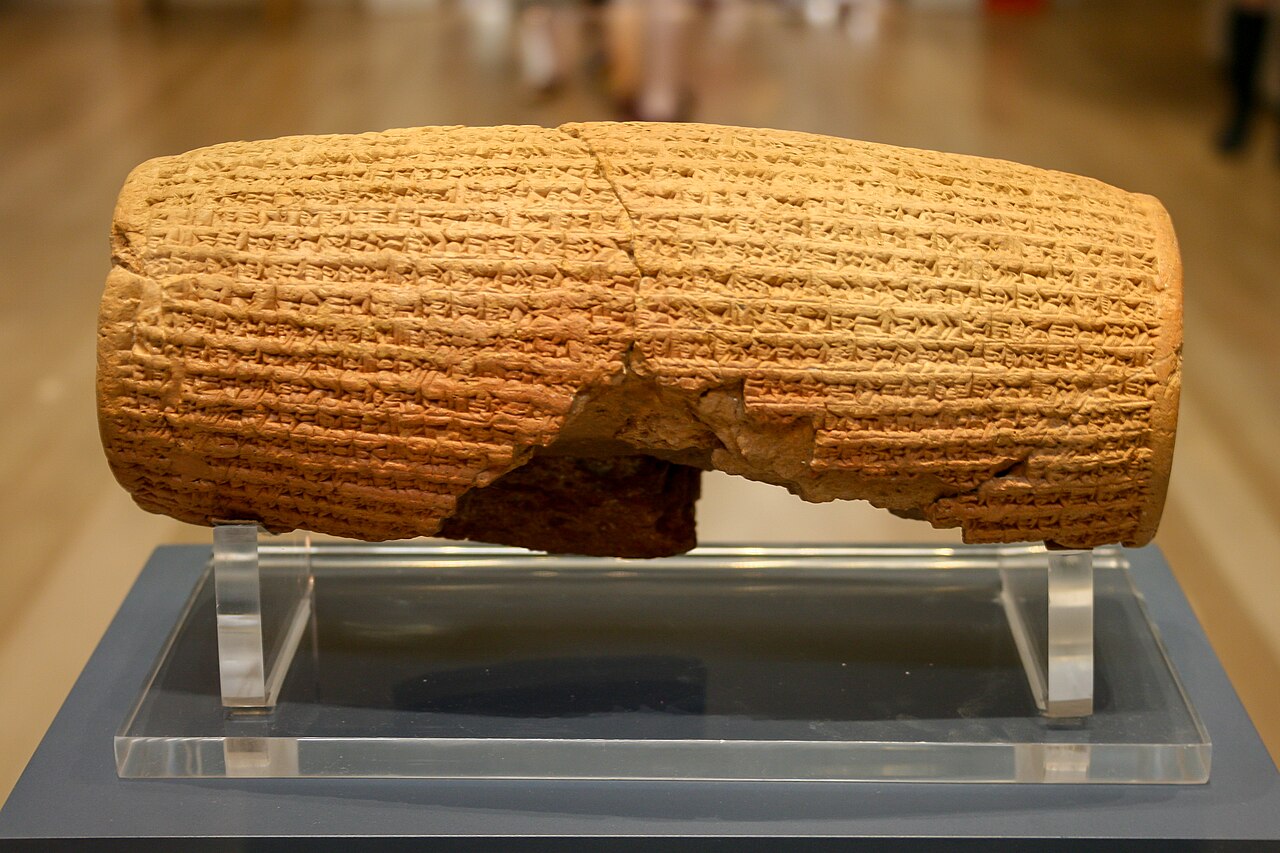
A small clay object opens a large conversation about conquest, legitimacy and modern historical labels.
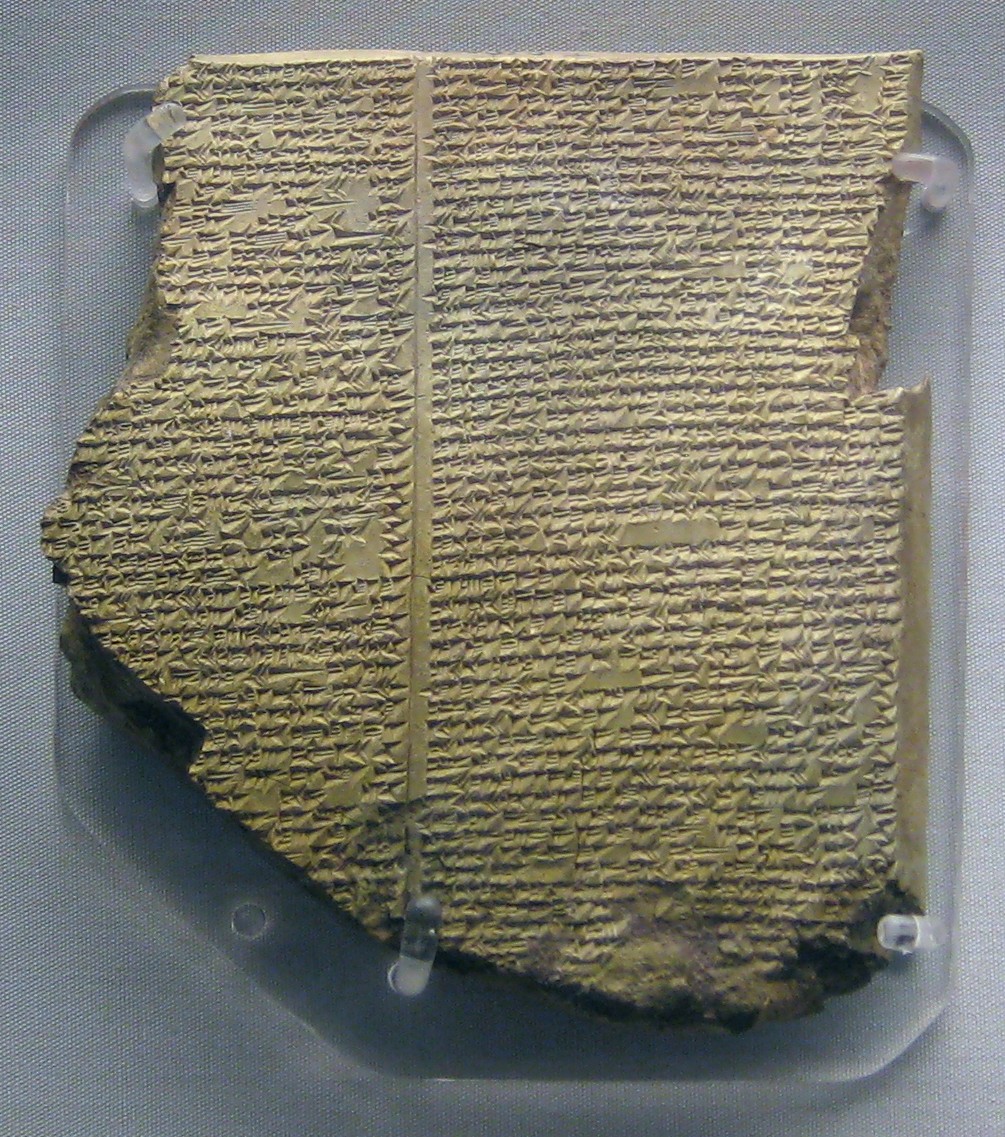
The clay tablets of Nineveh reveal why a celebrated royal collection still demands patient research.
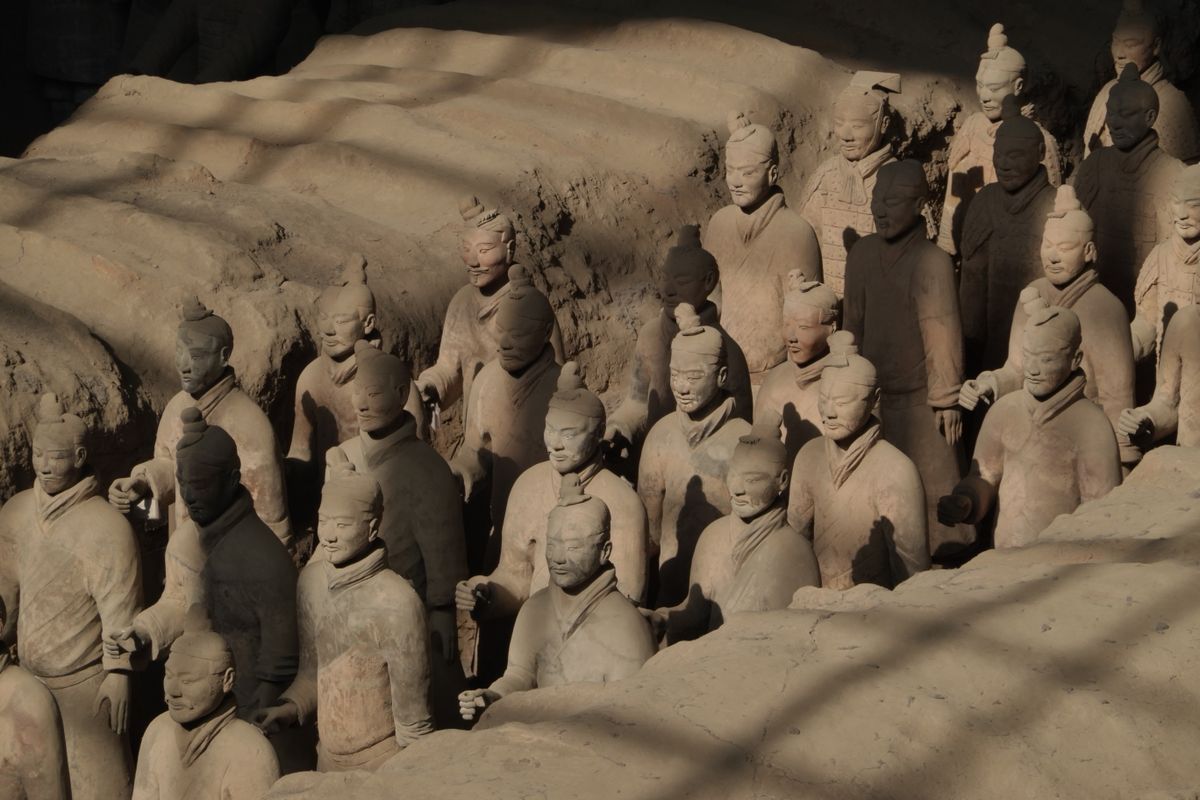
The famous figures near Xi’an are most revealing when read as parts of a larger burial landscape.
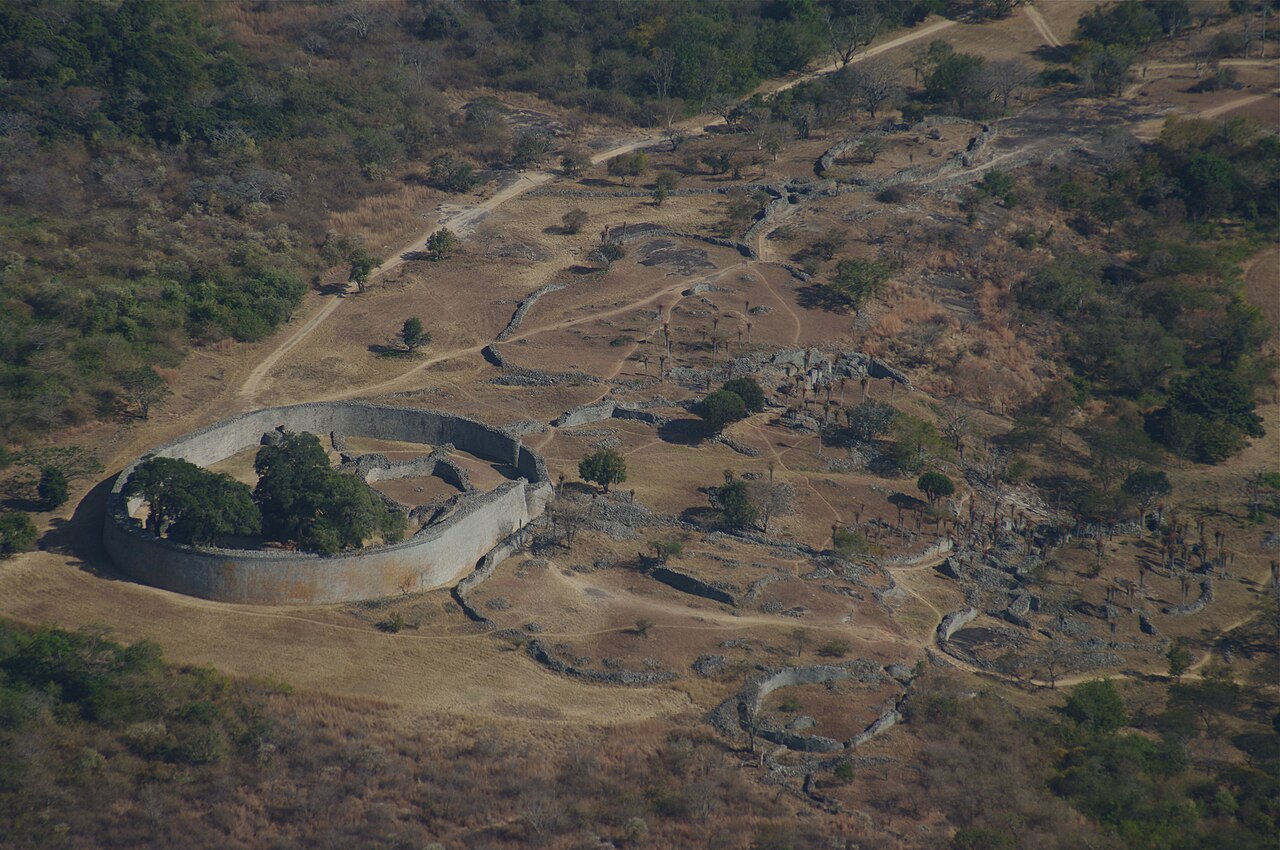
Stone architecture and archaeological evidence offer a history richer than imported legends.
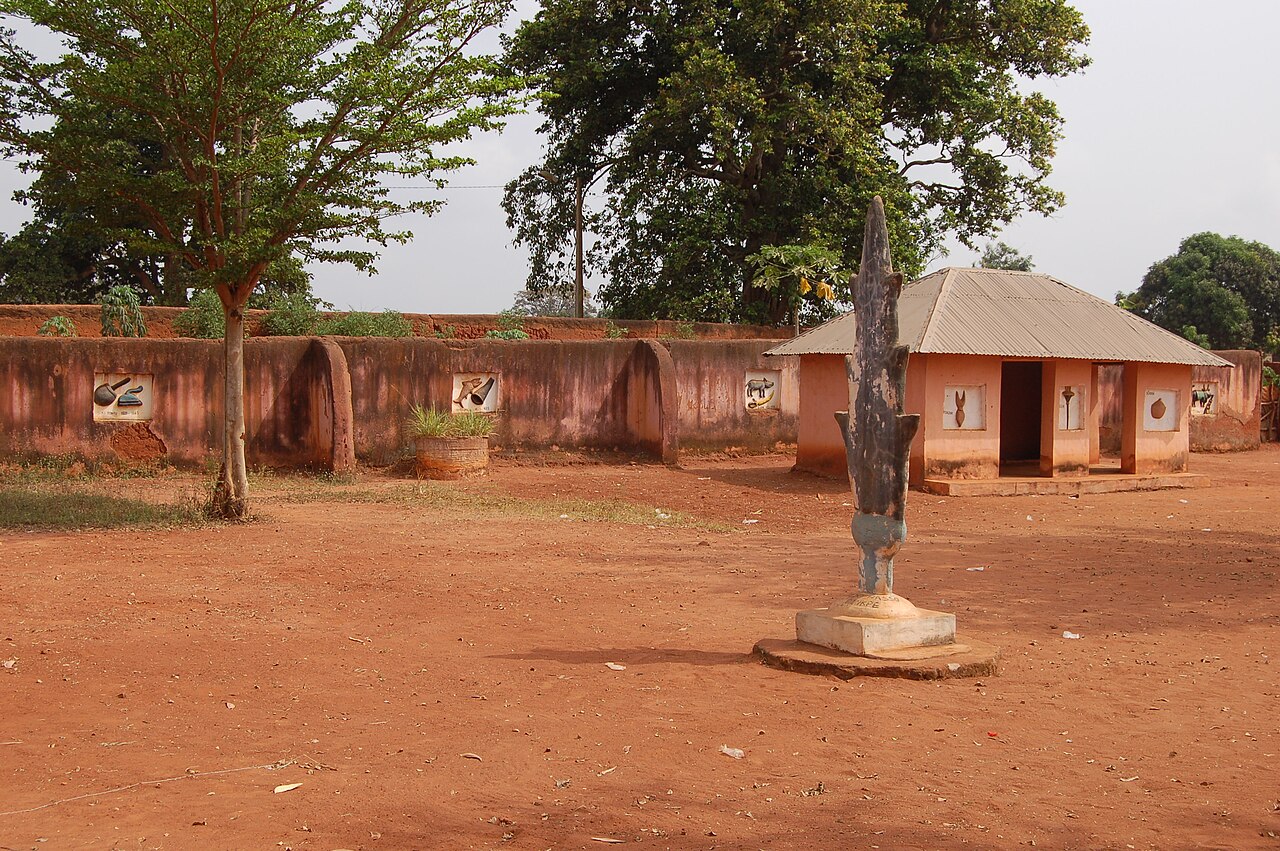
The former capital in Benin preserves royal authority in architecture, symbols and living cultural memory.
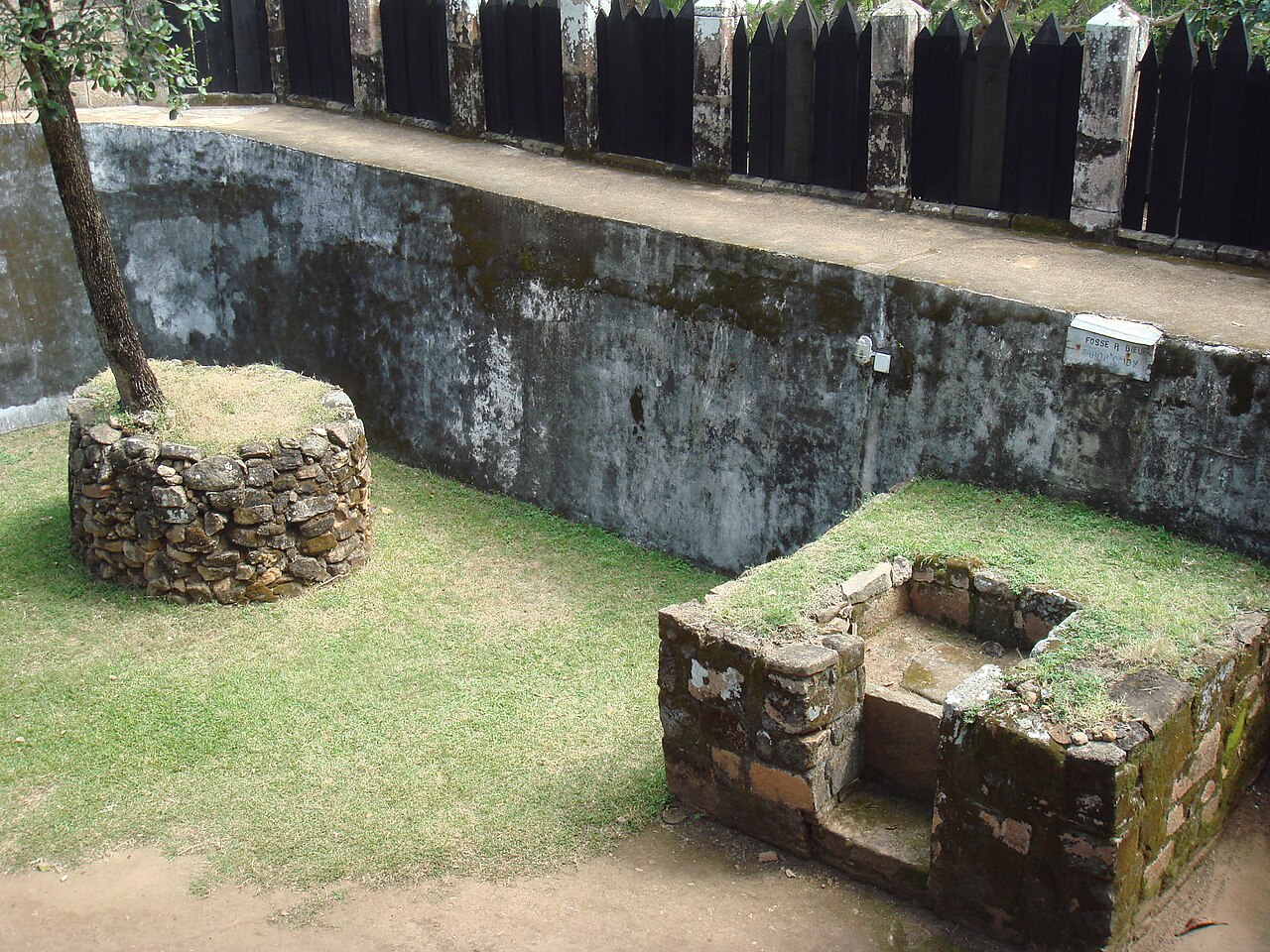
Madagascar’s royal hill asks visitors to read buildings, memory and worship together.
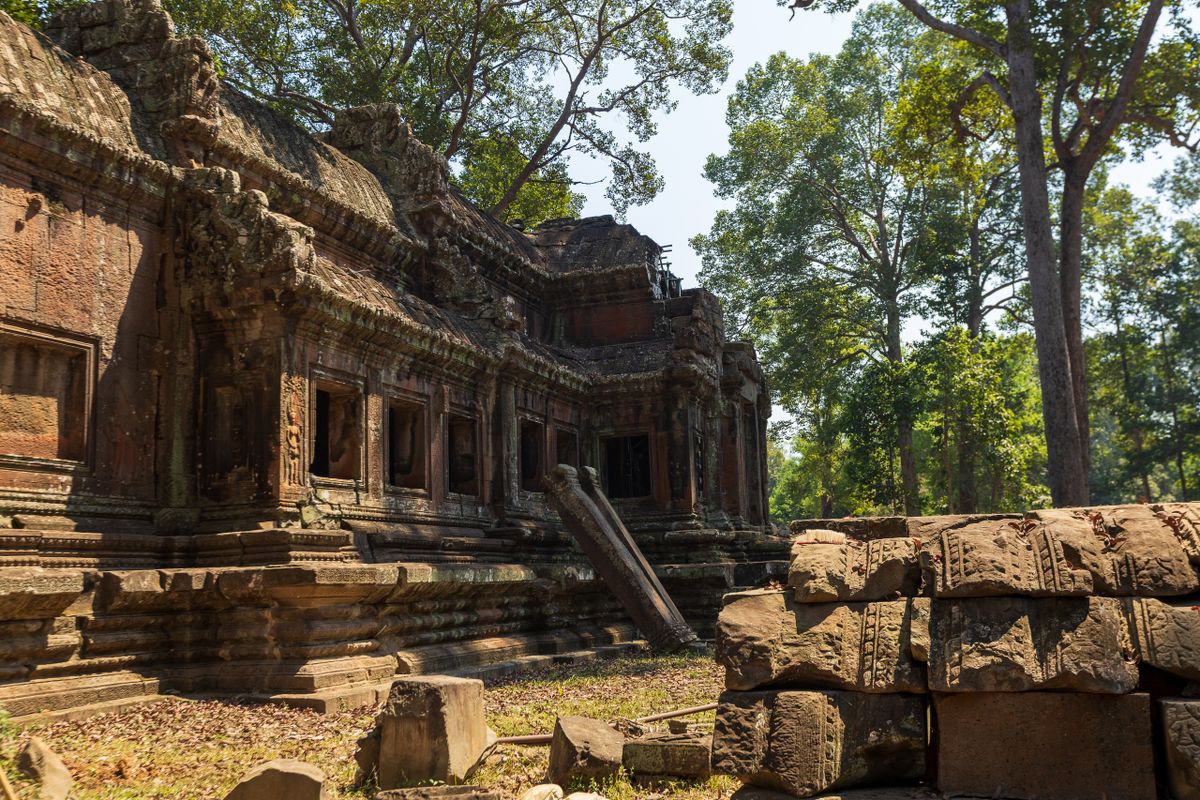
Cambodia’s great archaeological landscape reveals monarchy through water, sacred architecture and settlement.
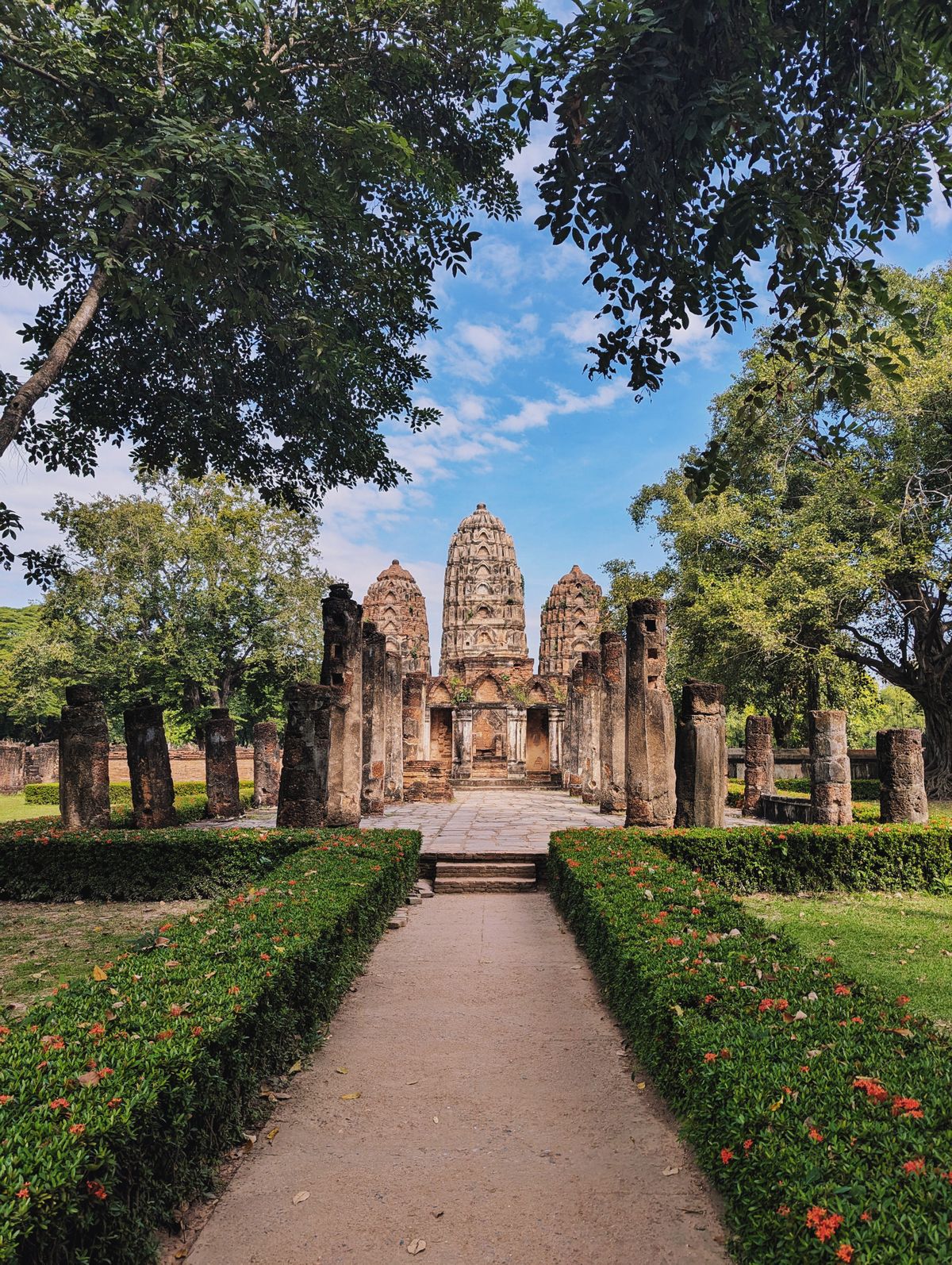
The former Siamese capital offers a way to distinguish cultural memory from the evidence of an early kingdom.
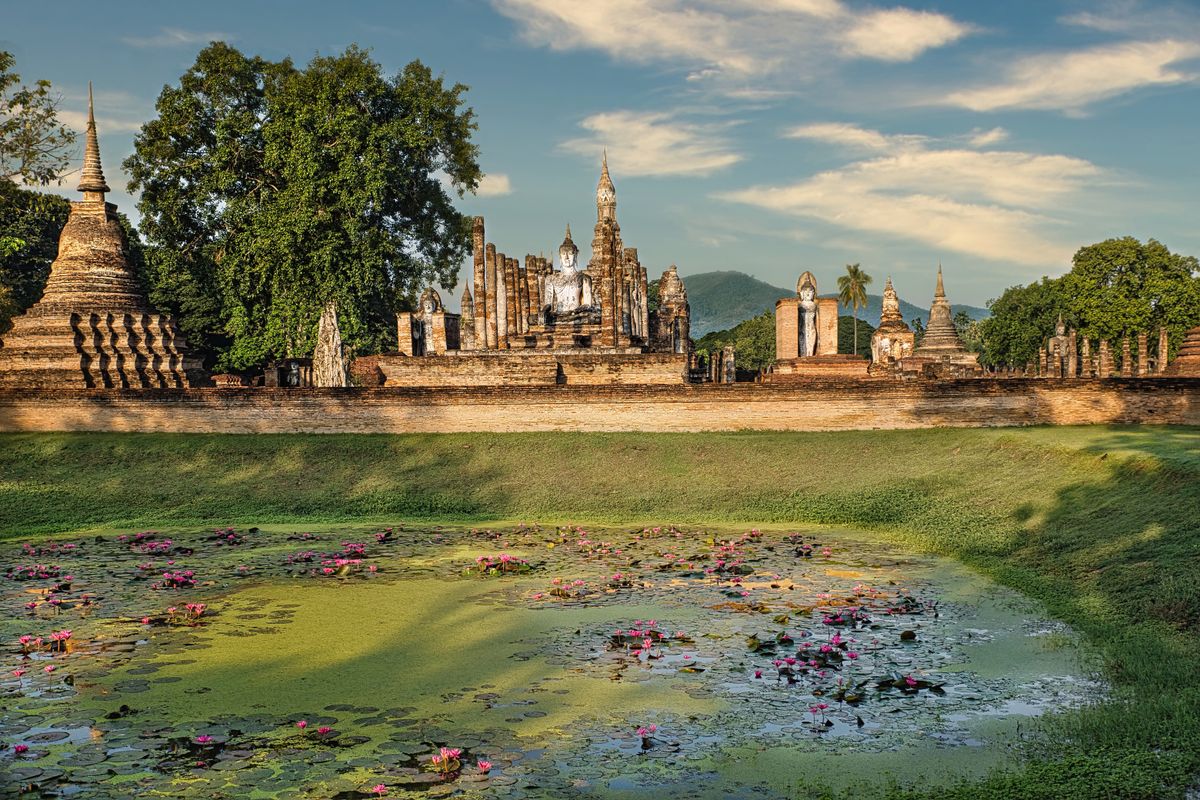
Thailand’s former capital rewards a reading that puts kingship beside rivers, commerce and cultural exchange.
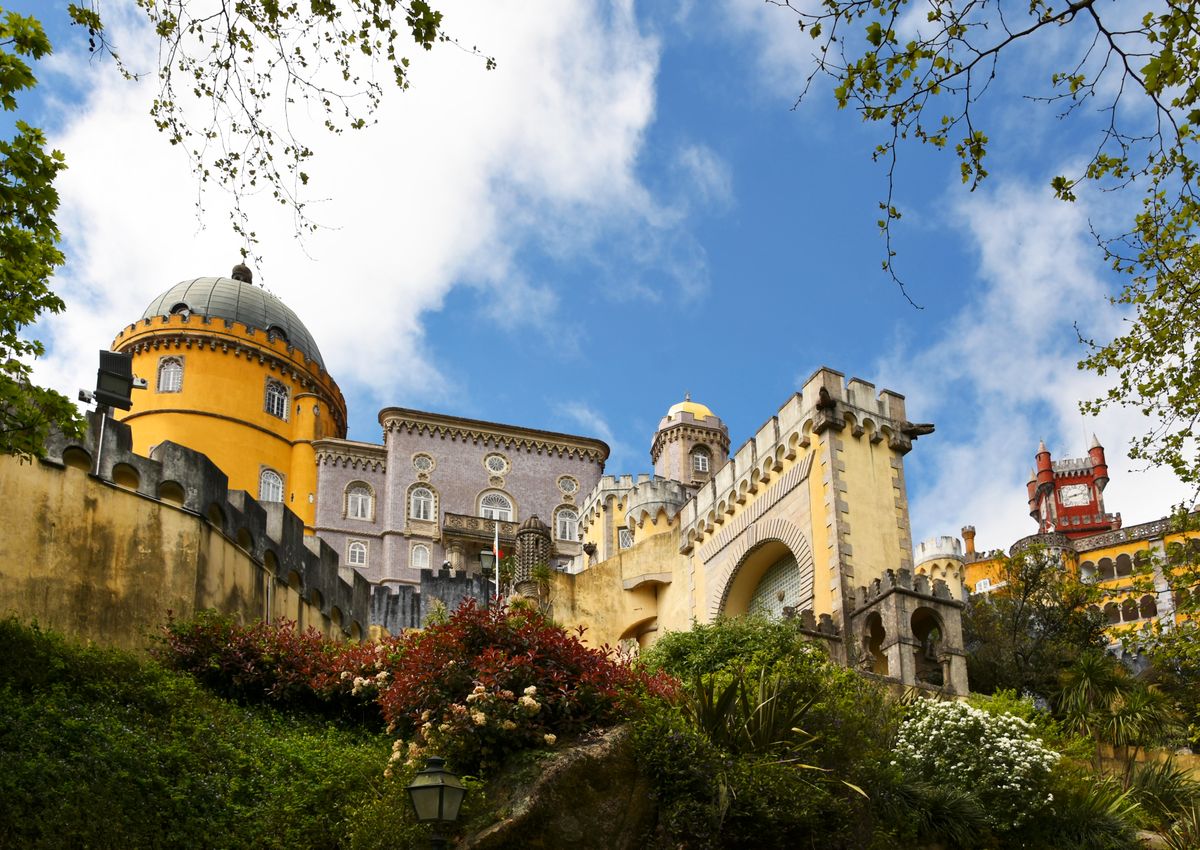
A cultural landscape helps explain royal taste without reducing an entire region to a single picturesque building.
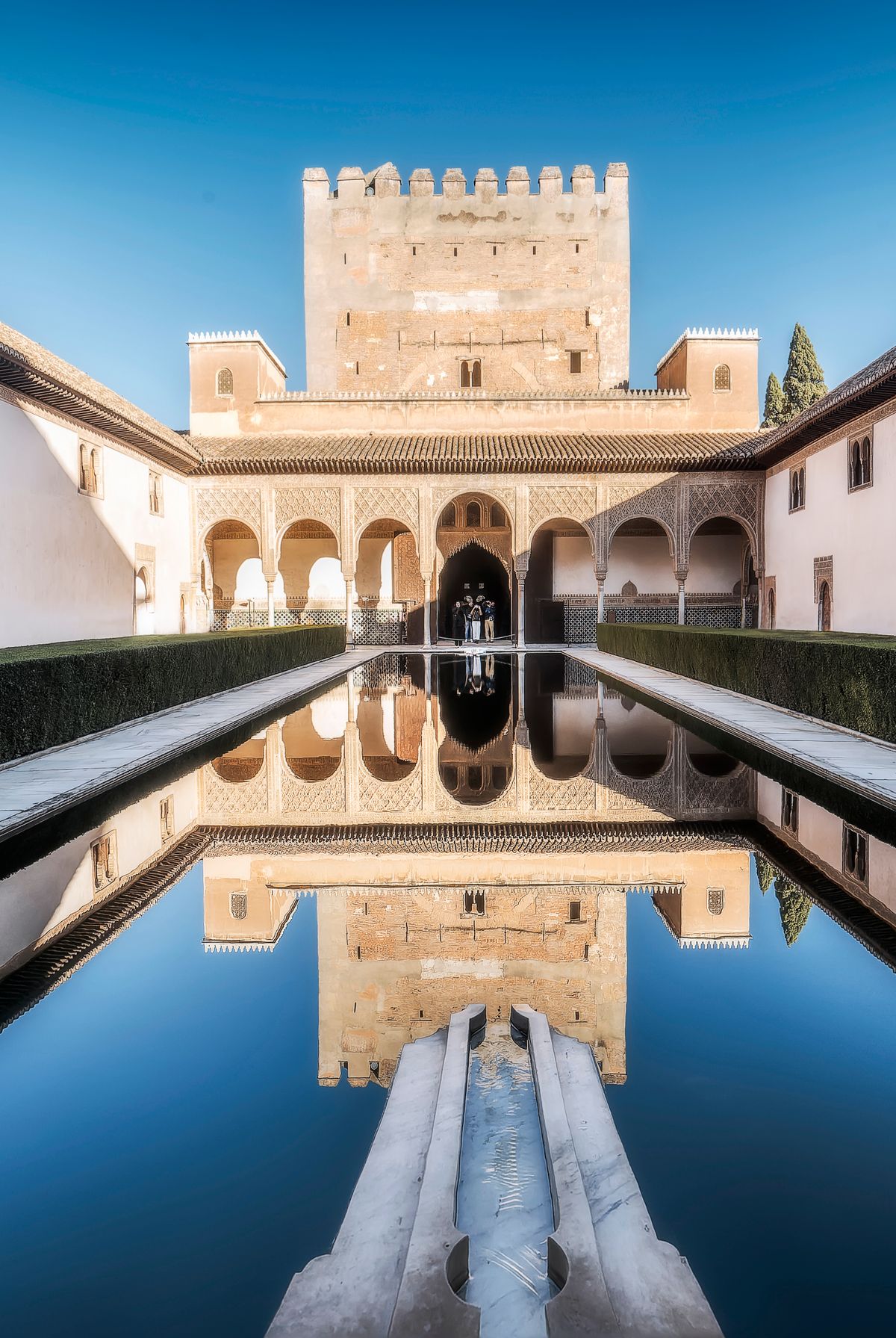
Granada’s palatine landscape invites attention to water, language and the different histories layered within it.
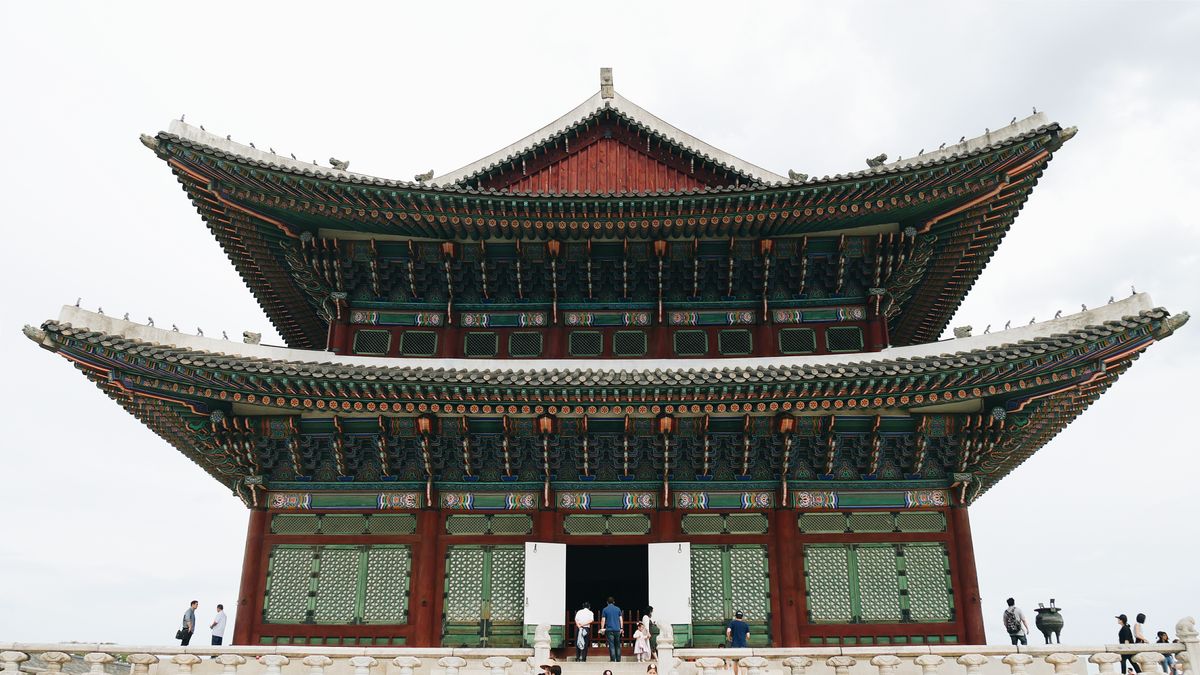
Korea’s royal burial sites reveal a carefully organized relationship between ancestors, ritual and authority.
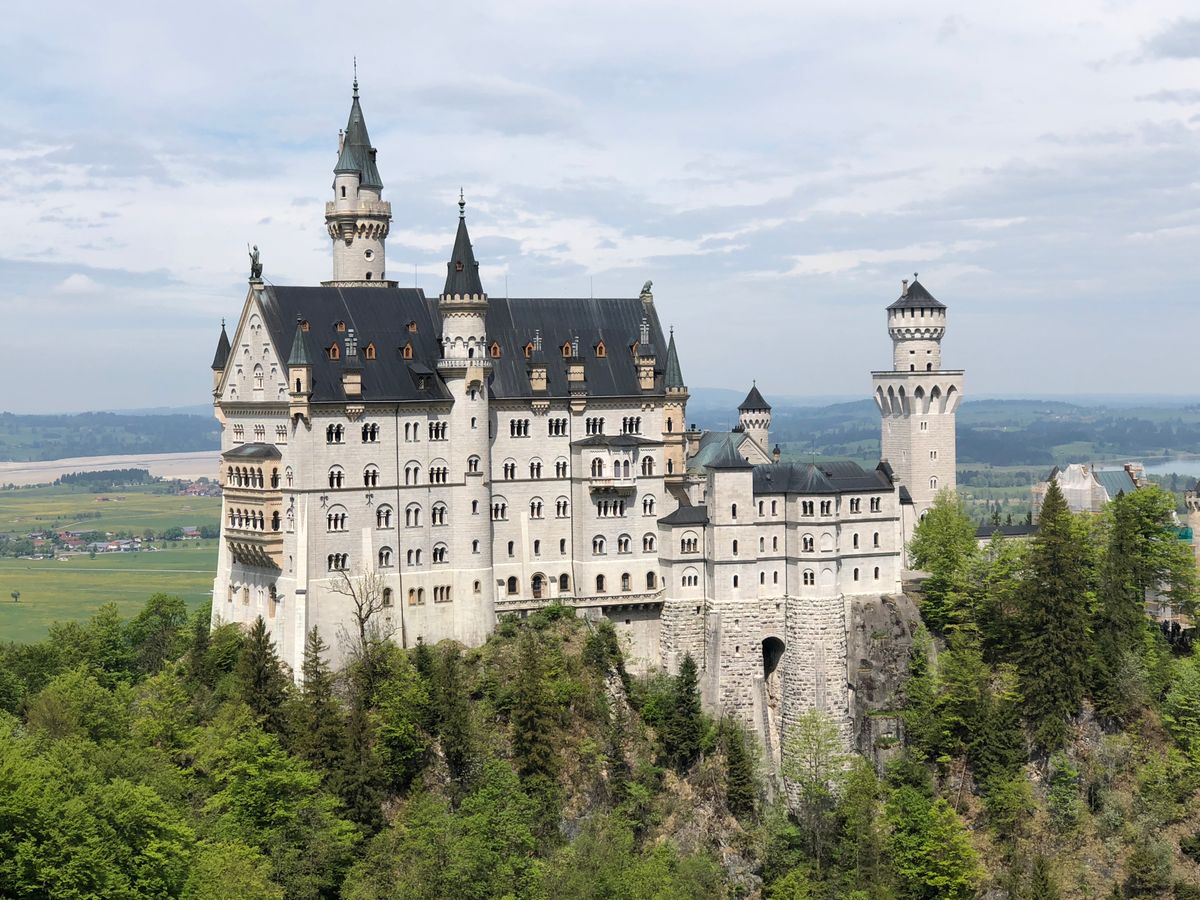
Bavaria’s four palace complexes entered the World Heritage List in 2025 and offer more than a fairy-tale silhouette.