Felipe VI and the making of a constitutional king
Spain’s official biography is best read alongside the oath that marked the beginning of the reign.
The biography’s firm milestones
Spain’s Royal Household records Felipe VI’s birth in Madrid in 1968 and his proclamation before parliament on 19 June 2014 following his father’s abdication. The biography describes schooling in Spain and Canada and training across the armed services. Those milestones establish a public chronology. They should not be stretched into a claim that the household account explains every political pressure surrounding the monarchy. An official biography is most useful for checking dates, roles and institutional presentation. For assessment of a reign, readers also need constitutional context and independent reporting that examines events from outside the household.
An oath is a different kind of evidence
An accession oath has a public and institutional function. It is a statement tied to an office rather than an informal comment revealing personality. When a biography highlights the oath, it directs attention to the framework within which kingship operates. Read the occasion with that distinction in mind. A king’s education explains parts of his preparation; the constitutional setting explains the authority and limits of his position. Both belong in a complete account. Neither a solemn ceremony nor an impressive list of qualifications can by itself answer questions about the office’s place in a democratic society.
Learning to read a military biography
Royal biographies often mention ranks, academies and qualifications that are unfamiliar to general readers. Instead of treating all military language as interchangeable, ask whether a title concerns training, service or a role attached to the crown. The distinction matters because a ceremonial or constitutional position is not the same thing as day-to-day operational command. Record the terms as the source presents them, then consult an institutional explanation if you want to go further. This method is particularly valuable when translating between languages, where a familiar English label may not fully capture the original Spanish designation.
The family story and the public story
Marriage and children make an official biography accessible, but they are only part of its subject. A reader interested in royal lives can acknowledge family milestones without turning young family members into a prediction about the future. Separate the dates that can be established from the motives that cannot. The same care applies to succession: a legal or institutional description is more useful than imagined conversations about duty. Look at how the biography moves between family, education and public work. Its arrangement tells you how the household introduces the king, while leaving room for independent historical analysis.
A reading plan with Madrid in view
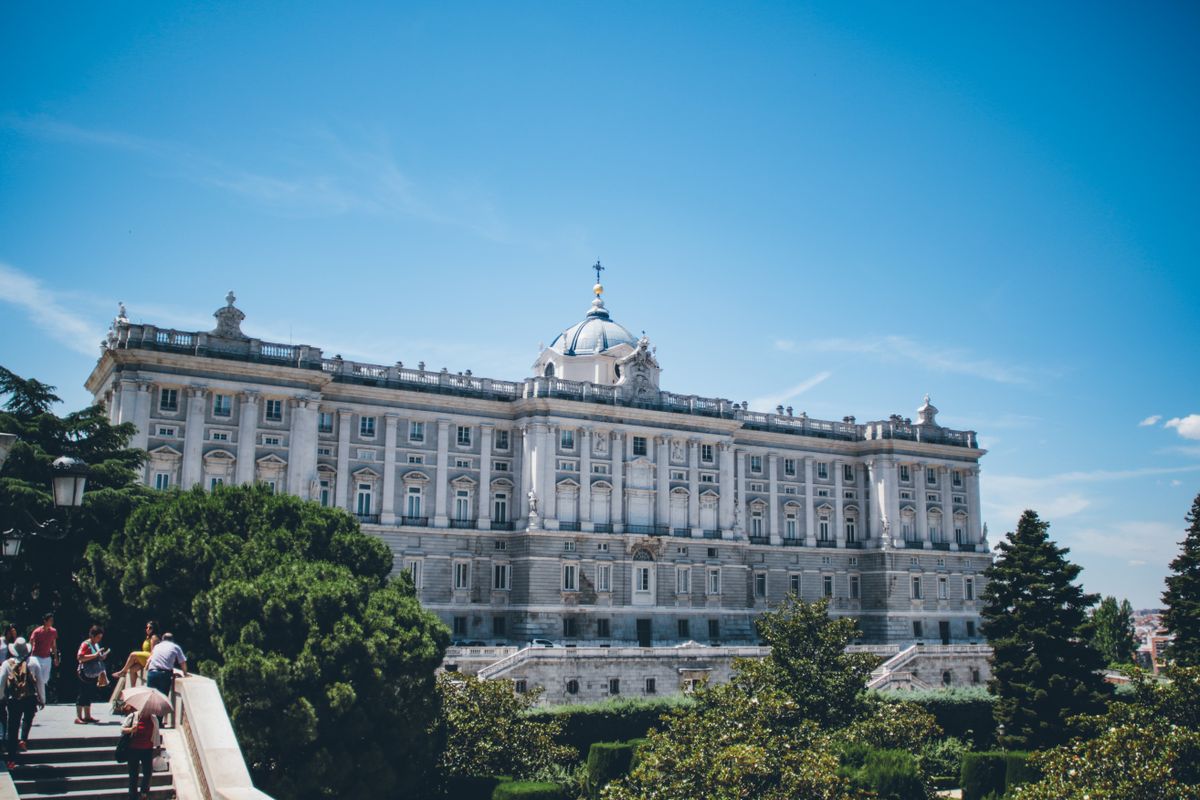
Begin with the official chronology, then add a reliable introduction to Spain’s constitutional institutions and a history of the country’s twentieth-century transitions. When visiting Madrid, interpret royal buildings as parts of an urban and national history rather than assuming that every palace is a current family residence. Confirm the individual venue’s access and collection information before booking. A productive question for either a visit or a book is how an inherited office presents service within a modern state. It connects Felipe’s documented biography with the wider history without claiming access to his private thinking.
Sources & further reading
Source links support the factual context. Practical examples and suggested workflows are original editorial guidance. Sources checked October 5, 2026.
Spotted something we should correct? Send a correction. Read our editorial policy.