Carl XVI Gustaf at eighty: royal anniversaries and public memory
Sweden’s 2026 celebrations show how a birthday and a wedding anniversary become national occasions.
Two milestones in one year
Sweden’s Royal Court records Carl XVI Gustaf’s eightieth birthday celebrations on 30 April 2026 and the king and queen’s golden wedding celebrations on 13 June. The published accounts describe thanksgiving services and public ceremonial elements. These are useful dated markers in a long royal biography. They tell readers what the court chose to commemorate in public, rather than providing a complete assessment of the reign. An anniversary can open a historical conversation, but it should not substitute for examining the different periods, controversies and institutional changes that a long life encompasses.
Personal time and institutional time
A birthday belongs to a person; a royal birthday can also become an occasion for the state and wider public. Those two kinds of time overlap without becoming identical. A useful way to read coverage is to separate the biographical milestone from the ceremonial programme. Ask which parts recognize age, which recognize marriage and which represent the monarchy’s continuing place in national life. This approach avoids treating longevity as an automatic measure of political achievement. It also explains why a family anniversary might bring together military music, religious observance, civic hospitality and cultural performance.
What a programme can reveal
A programme is an unusually accessible historical source. Its order, venues and invited participants show how an occasion is organized. Read it as a designed sequence rather than a random collection of appearances. A service establishes one kind of solemnity, while music and movement through public space establish another kind of visibility. You do not need to infer private relationships from seating plans to find the document interesting. Instead, examine how the event offers different points of contact: some people participate in person, others through broadcasts, photographs or the court’s written account.
Building a balanced anniversary reading list
Pair the court’s account with an independent history of modern Sweden and a study of constitutional monarchy. Each answers a different question. The court establishes its programme and official language; political history explains the surrounding society; constitutional writing clarifies the office. Keep a small timeline of accession, major institutional developments and personal milestones without trying to make every item equally important. Where a book evaluates public opinion, check the date and evidence behind the assessment. A poll, a crowd photograph and a commentator’s impression are different forms of information and should be read accordingly.
Looking beyond the celebration photograph
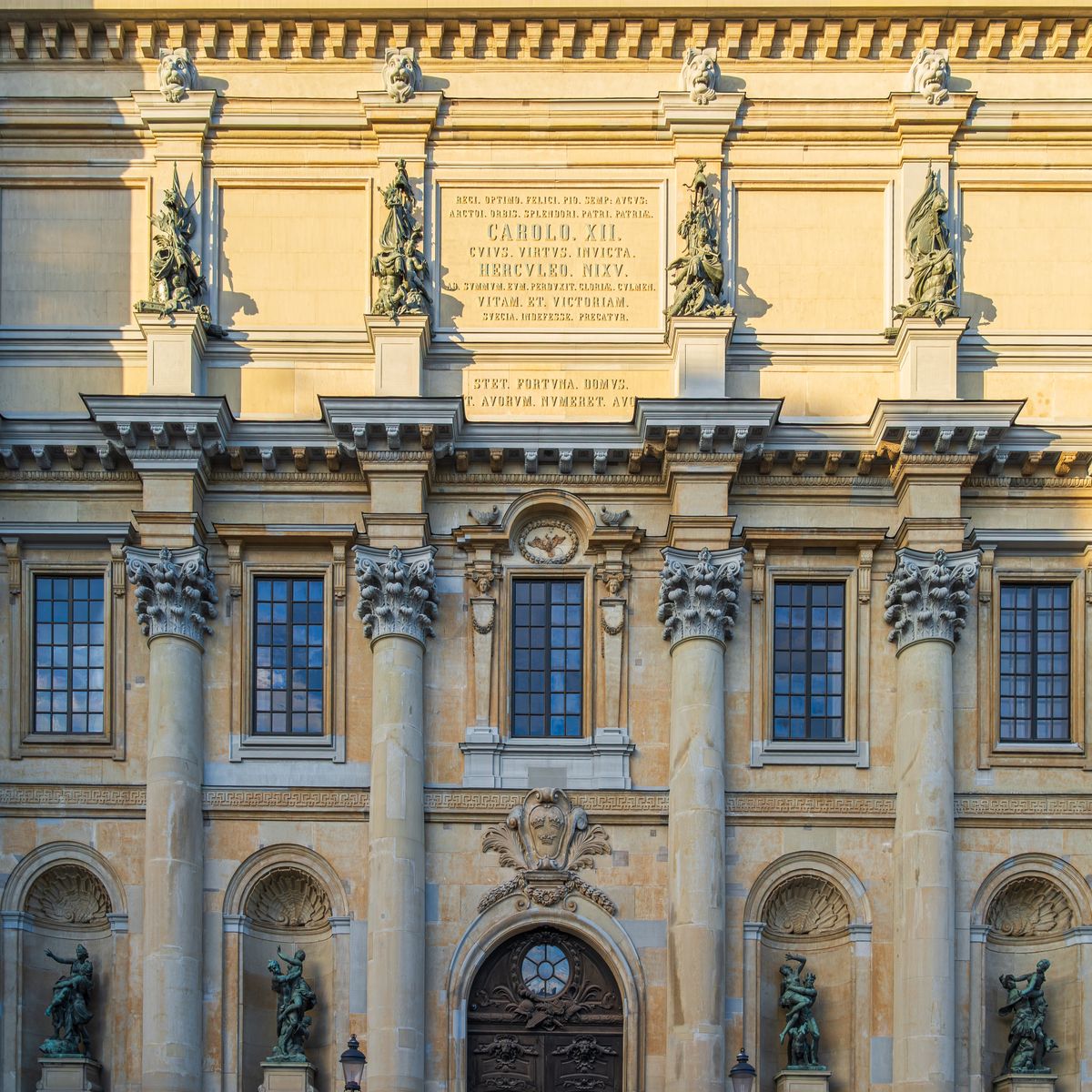
A useful cultural exercise is to compare one anniversary photograph with an earlier portrait, attending to presentation rather than guessing how the king feels about ageing. Look for changes in setting, dress, image distribution and caption style. Readers interested in Sweden’s royal places can then explore palace collections through their own current visitor information. Avoid assuming that an anniversary programme creates a continuing exhibition or guarantees access to ceremonial rooms. The lasting value of the 2026 milestones is the opportunity they offer to connect a king’s personal chronology with the public rituals through which a monarchy remembers itself.
Sources & further reading
Source links support the factual context. Practical examples and suggested workflows are original editorial guidance. Sources checked October 5, 2026.
Spotted something we should correct? Send a correction. Read our editorial policy.