Norway’s new king: understanding Haakon VIII’s accession
A constitutional transition in August 2026 connects a new reign with a familiar national promise.
The announcement that establishes the facts
The Norwegian Royal Court records that King Harald V died on 28 August 2026 and that his son acceded as King Haakon VIII. At an extraordinary Council of State meeting that morning, the new sovereign formally informed the government of the death and his accession. Crown Princess Ingrid Alexandra attended beside him. Those details are the foundation for understanding the transition. A dated institutional statement is more useful than an old biography that still describes Haakon as crown prince, because succession changes titles immediately while reference pages may take longer to update.
Why the chosen name matters
A regnal name places an individual within a sequence of rulers. Reading the number VIII as a simple family tally would miss that wider historical function: royal numbering connects the present institution with a remembered past. For readers encountering Norwegian monarchy through photographs, the name is also a practical identifier. It helps distinguish the current sovereign from earlier Haakons in archive captions and museum displays. Begin any family tree with the date of accession, then work backward. This keeps the political change separate from the personal biography and reduces confusion when several generations appear together.
Continuity in a moment of grief
The new king retained the national-service motto used by his father, grandfather and great-grandfather. Its reuse offers a clear example of continuity that can be documented without guessing at private emotions. Public mourning and constitutional succession take place on different tracks: a family loses a parent while an institution acquires its next officeholder. An attentive account can acknowledge both. It should resist turning every gesture in a ceremony into psychological evidence. The reliable story lies in the announced title, the official meeting and the language of service the sovereign publicly chose.
Reading images of the transition
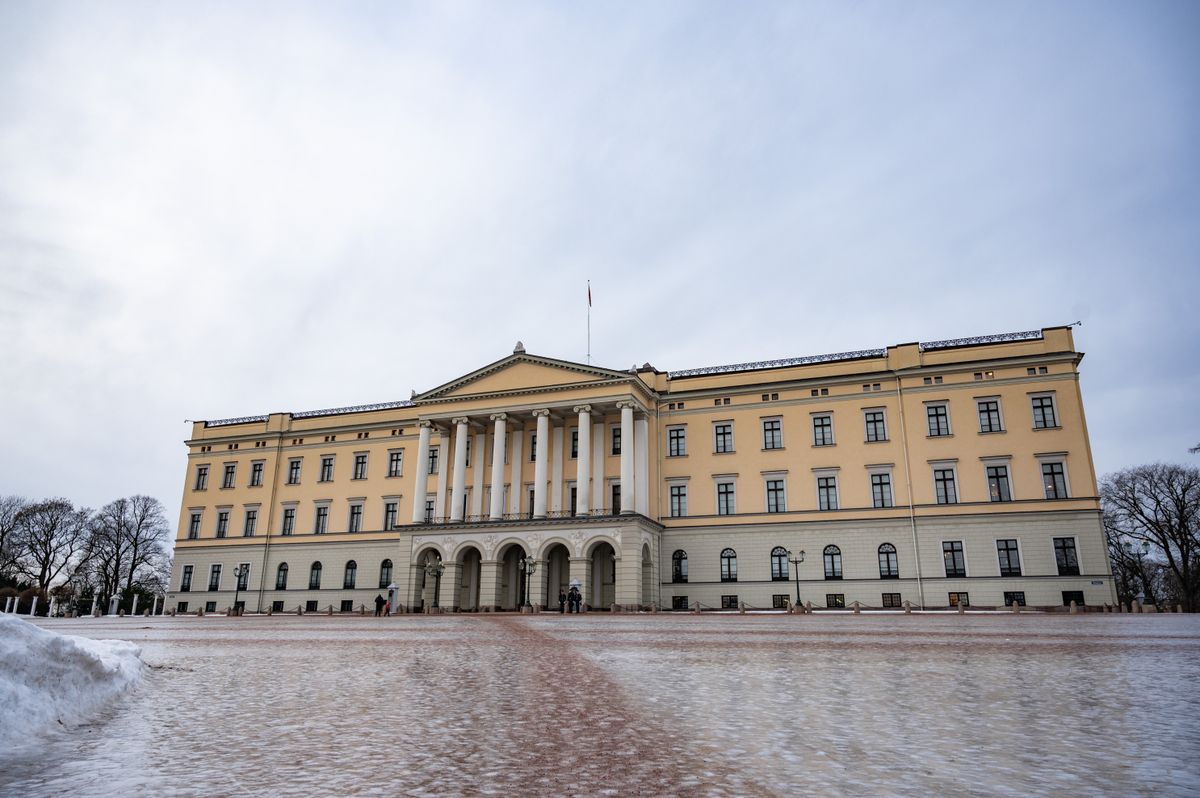
Look at official photographs as records of an event with a particular purpose. Who stands with the king, which room is used, and which captions identify the participants? Those questions reveal institutional relationships without requiring an invented conversation. A photograph of a council meeting cannot show what the king privately believes about a policy. Likewise, ceremonial dress indicates the formality of the occasion; it does not establish executive freedom. Comparing captions across the succession period makes a useful small research project. Note title changes, publication dates and the difference between an archive image and a newly released picture.
A sensible starting point for further reading
Save the accession statement before following longer biographies or historical features. Build a short chronology with separate entries for the death, accession announcement and subsequent public ceremonies, adding an event only when a dated source supports it. Readers planning a cultural visit should consult the palace’s current visitor information separately from succession coverage, since official duties can affect access. The broader question to carry into a museum or history book is how Norwegian kingship represents continuity while elected institutions conduct public affairs. That question yields a richer story than collecting unverified predictions about the new reign.
Sources & further reading
Source links support the factual context. Practical examples and suggested workflows are original editorial guidance. Sources checked October 5, 2026.
Spotted something we should correct? Send a correction. Read our editorial policy.