Great Zimbabwe: how to tell a royal story without inventing a king
Stone architecture and archaeological evidence offer a history richer than imported legends.
Begin with the builders supported by evidence
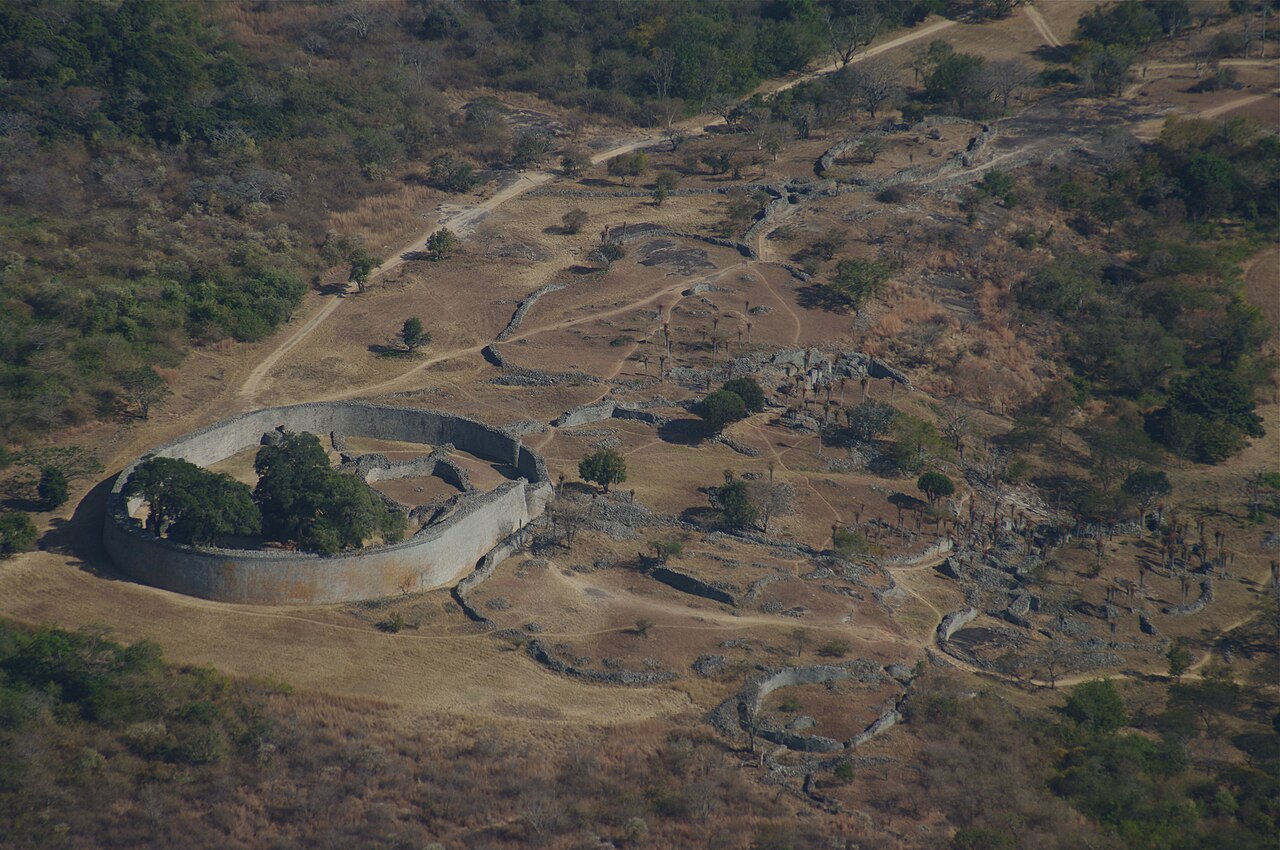
UNESCO describes Great Zimbabwe as testimony to the Shona civilization of the eleventh to fifteenth centuries and an important trading centre. Its account identifies major groups of remains, including the Hill Ruins and Great Enclosure, and discusses interpretations of royal and ritual functions. That is enough to establish a substantial royal story without attaching an invented named king to every wall. The site has also attracted legends that should remain clearly distinguished from archaeology. Read any colourful origin claim against the evidence supplied by specialists. The important narrative is the achievement of the people who built and used this place, rather than a fantasy that replaces them with outsiders.
Architecture can suggest authority without giving a diary
A large enclosure may reveal choices about space, labour and access. It cannot by itself supply the private life of the ruler associated with it. This distinction makes archaeological royal history different from a modern biography supported by letters or recordings. We may be able to discuss institutions and patterns of life more confidently than individual motives. Ask which claims rest on excavated finds, which on architectural comparison and which remain hypotheses. A cautious word such as “thought” or “interpreted” is meaningful information. Preserve it when retelling the story, because removing it can turn a reasonable scholarly proposal into a falsely certain assertion.
Trade belongs beside the throne
A royal centre does not exist independently of food, craft and exchange. Read the monumental remains alongside the evidence for commerce and everyday settlement. This widens the picture from a ruler’s prestige to the relationships that made a city possible. It also prevents an exclusive focus on the largest structures from making other inhabitants disappear. A useful museum question is how the collection connects imported or locally made objects with the site’s economy. Keep the explanation attached to the finds rather than assuming that every valuable object belonged personally to a king. Authority, prosperity and exchange can intersect without being identical.
A visit built around careful looking
Consult current local visitor information for guides, transport and access, since UNESCO’s heritage description is an explanation of significance rather than a live travel timetable. On site, look at the construction of the walls and the relationship among the main groups of remains. Ask a guide how particular functions have been interpreted and which questions remain debated. For further reading, prefer archaeological and Zimbabwean historical perspectives over a list of spectacular myths. A successful visit leaves you with a better understanding of evidence as well as an appreciation of the architecture. Great Zimbabwe’s royal history deserves that precision: its scale and surviving material are compelling without requiring invented dialogue, imaginary rulers or unsupported certainty.
Pay attention to how a guide explains the difference between the settlement and the area a visitor can see today. Surviving walls are only part of a former community. This question helps avoid the assumption that the archaeological remains provide a complete census of the city or a full plan of every activity once undertaken there.
Sources & further reading
Source links support the factual context. Practical examples and suggested workflows are original editorial guidance. Sources checked October 5, 2026.
Spotted something we should correct? Send a correction. Read our editorial policy.