Buckingham Palace after the refurbishment: reading a royal workplace
A verified June 2026 report puts public access and ceremonial work at the centre of the palace’s next chapter.
The development that was reported
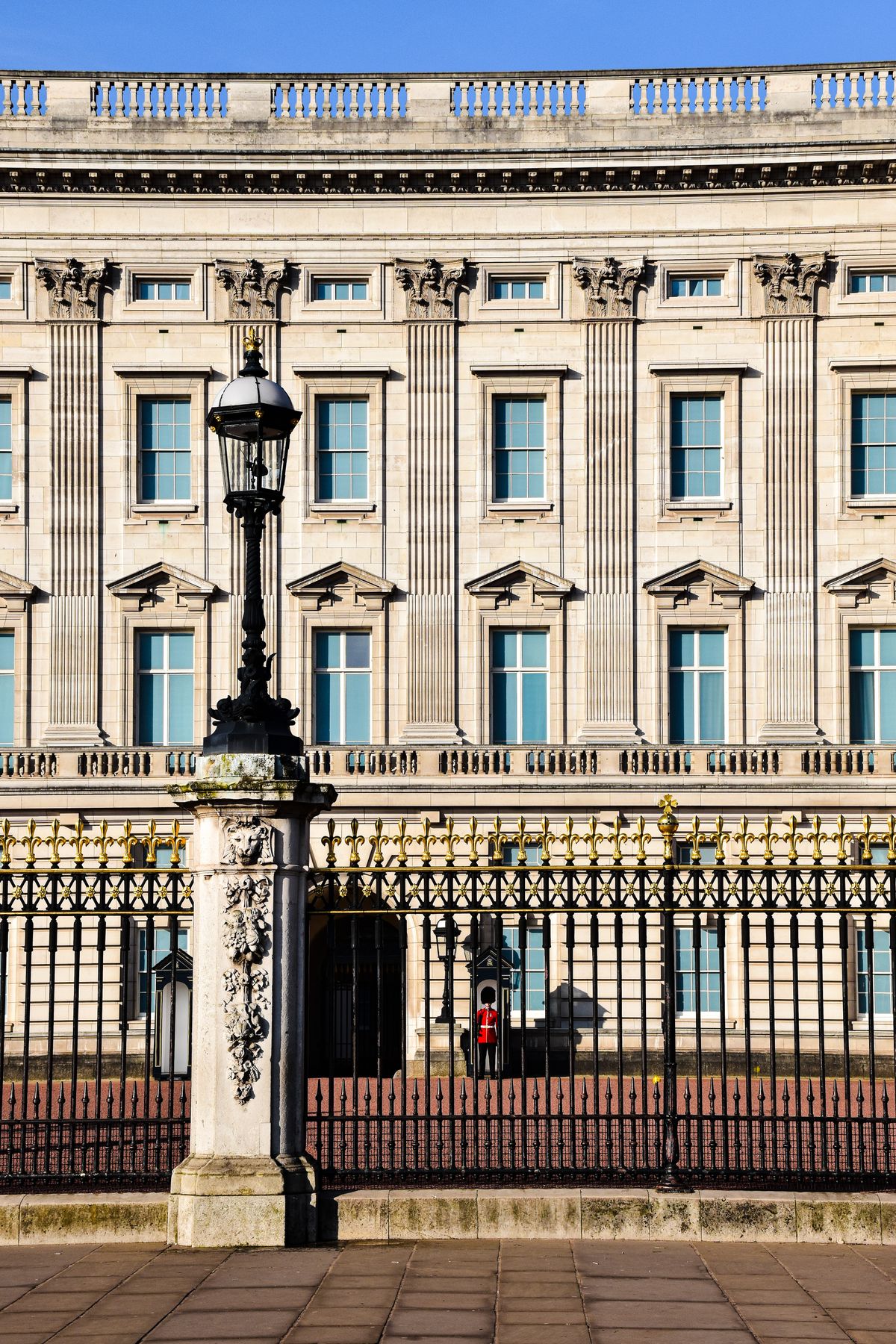
Associated Press reported on 25 June 2026 that Charles III would not live at Buckingham Palace after the completion of its major refurbishment programme, as the monarchy sought increased public access. That is a report about intended use, not proof that every future access arrangement has already begun. The distinction matters for visitors and for anyone writing about the king’s daily life. A palace can continue to play a major ceremonial role without being the sovereign’s home. Its importance therefore cannot be measured simply by whether a royal bedroom is occupied.
Residence and office overlap unevenly
Large royal buildings often combine functions that ordinary houses separate. They can provide rooms for receiving guests, spaces for ceremonies, offices for staff and settings for collections. Calling such a building a home can obscure that complexity. A useful way to read palace news is to ask which function is changing: accommodation, working arrangements, visitor circulation or ceremonial use. This produces a more accurate account than treating one residential decision as a declaration about the monarchy’s entire future. It also helps explain why construction work in a royal building has implications for both public heritage and institutional operations.
Restoration is part of the story
A refurbishment is more than a new surface in a photograph. Behind the visitor experience sit decisions about building services, conservation, access and the needs of people who work there. Readers need not become engineers to understand the stakes. Ask what the announced work is meant to make possible and which dates are targets rather than completed milestones. When costs appear in reporting, keep their time period and scope attached to the number. A headline total without that context can be misleading, whether it is being used to praise modernization or criticize expenditure.
Planning access without relying on an old headline
Treat current visitor listings as the authority for a trip. A news report about increased public access does not establish admission dates, tickets, accessible routes or the precise rooms available. Check those practical details close to travel, especially around official events. When choosing a visit, decide whether your main interest is architecture, the art collection or ceremony, since each can require a different experience. Leave time to read room labels rather than moving only between famous views. A building’s public role becomes clearer when its spaces are understood as working settings with histories of use.
How this changes a royal biography
The king’s relationship with Buckingham Palace is a reminder that biographies should distinguish person, household and institution. A change in where a sovereign lives can be significant, but it does not reveal private motives unless those are documented. Build the story around the verified arrangement and its publicly stated purpose. Then consider the broader cultural question: how can a prominent state building serve visitors while continuing official work? That question has practical consequences for routes, interpretation and conservation. It offers a substantial royal story without imagining domestic scenes or claiming that a single property decision defines Charles’s reign.
Sources & further reading
Source links support the factual context. Practical examples and suggested workflows are original editorial guidance. Sources checked October 5, 2026.
Spotted something we should correct? Send a correction. Read our editorial policy.