Louis XVI’s private room: what a restoration can and cannot recover
A 2026 report on a recreated bedroom prompts a careful look at objects, evidence and the last years of royal Versailles.
A reported reopening with an important qualification
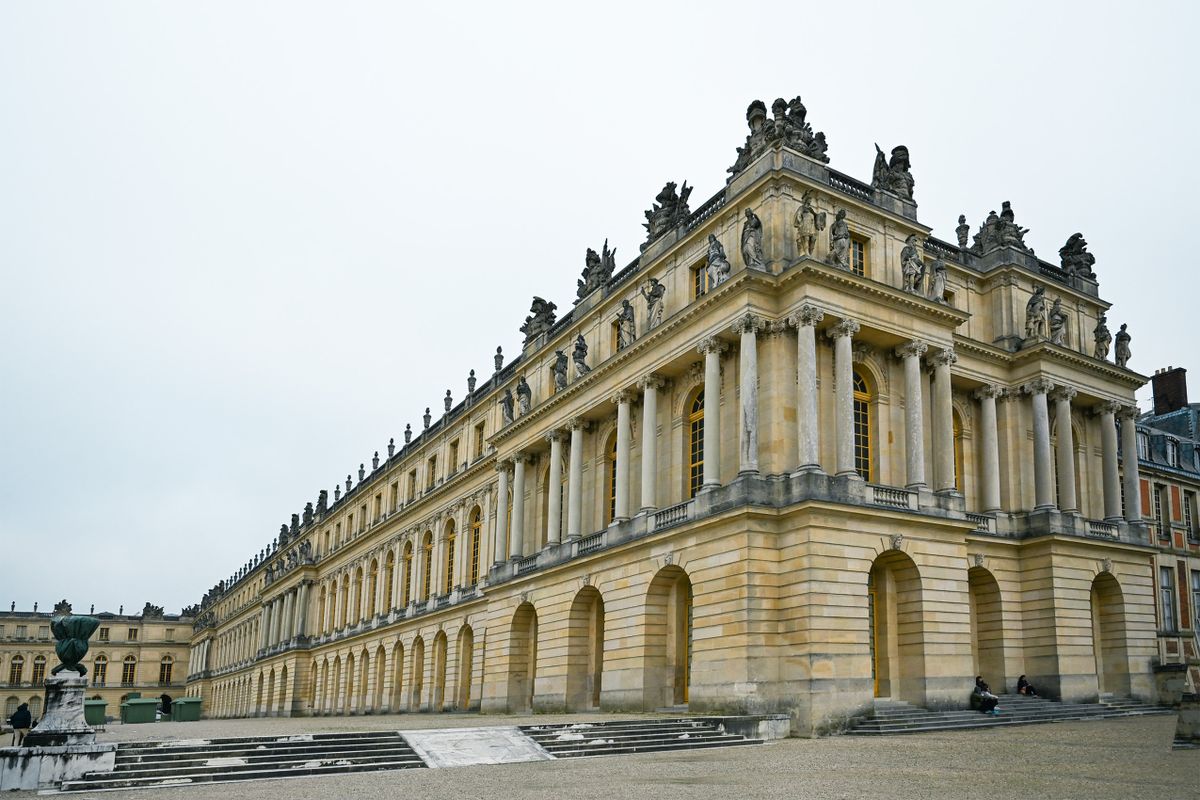
Le Monde reported in May 2026 that Louis XVI’s private chamber at Versailles had reopened in April following a long recreation project. Its account stresses that the original furnishings did not survive together, so the result should not be mistaken for an untouched room. The distinction is essential to any cultural visit. A restored historic interior may communicate an earlier arrangement through research, replacement pieces and newly made elements. It can be deeply informative while also reflecting modern decisions. Start by asking which parts are original, which are comparable period material and which are recreations. Those questions respect the work rather than diminishing it.
A private space belongs to a public history
Versailles’ biography records Louis XVI’s accession in 1774, the summoning of the Estates General in 1789 and his departure from the palace that year. A bedroom story sits within that larger political chronology. Do not use an intimate room to shrink the king’s life into domestic habits alone. At the same time, a smaller space can complicate the impression created by grand ceremonial apartments. It encourages readers to distinguish presentation from practical use. The question is how different rooms served a person occupying a highly public office, not what a modern visitor can supposedly infer about his innermost feelings from a bed or a colour scheme.
Restoration makes an argument in materials
Every recreated interior depends on choices about evidence. Inventories, images, surviving fragments and comparison with related objects can point in the same direction or leave gaps. A museum’s explanation should help visitors understand that process. Read the room as a material argument: this arrangement represents what specialists believe the evidence supports. Notice whether a label supplies a precise provenance or uses a cautious phrase. Those differences are informative. They show where certainty is strongest and where interpretation enters. A visually convincing result is not itself proof of exactness, while a newly made textile can be a responsible way of explaining a documented design.
A useful visit and a richer reading list
Consult Versailles’ current visitor information before assuming that a private room is included in your intended route or available without a guided visit. Once inside, focus on one feature and follow its label or catalogue history. Afterwards, compare the room’s interpretation with a general history of the Revolution. The comparison keeps the personal setting connected to the crisis of the monarchy while allowing the decorative arts their own significance. For readers staying home, a restoration report can be read as a story about present-day craftsmanship as well as the past. The room offers access to historical questions; it does not erase the distance between Louis XVI’s world and ours.
For children or first-time visitors, a simple question works well: how would we know what belonged in this room? Invite answers from the labels before supplying a story. The discussion makes inventories and craftsmanship approachable, and helps distinguish historical reconstruction from the idea that everything beautiful must have survived unchanged.
Sources & further reading
Source links support the factual context. Practical examples and suggested workflows are original editorial guidance. Sources checked October 5, 2026.
Spotted something we should correct? Send a correction. Read our editorial policy.