Frederik X’s new portrait tells a Danish story
A September 2026 painting offers a way to read royal symbols, family memory and modern artistic choices.
A newly documented royal image
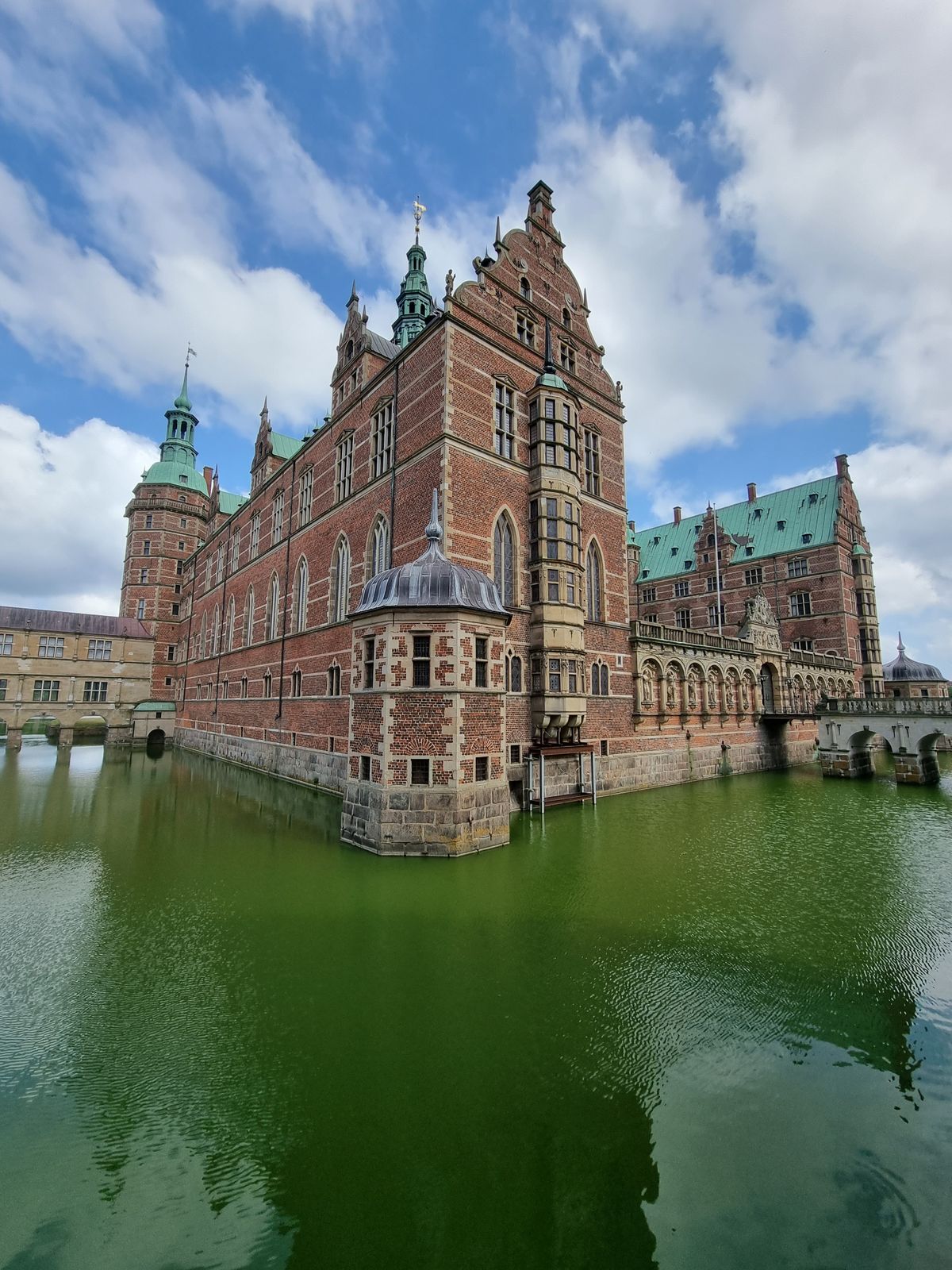
Denmark’s Royal House announced the unveiling of Frederik X’s first official painted portrait since his accession on 25 September 2026. Cathrine Raben Davidsen created the work, which hangs in the Great Hall at Frederiksborg alongside portraits of other Glücksburg rulers. The announcement identifies the artist, setting and commission, making this a concrete cultural development rather than a rumour about royal taste. For anyone interested in a king’s life, a portrait is a useful entry point because it selects some biographical details for public memory while leaving many others outside the frame.
Landscape as biography
The household explains that the landscape draws on Kongsøre Forest, associated with the king’s training as a frogman. It also identifies daisies as a reference to Queen Margrethe and the sword as an inheritance from Frederik IX through Queen Ingrid. Keep those documented explanations distinct from your own visual response. You might find the landscape restful, unsettled or expansive, but those are interpretations, not statements about the sitter’s mood. This separation allows a painting to remain interesting as art without converting every brushstroke into evidence of a royal personality.
A portrait has more than one audience
An official likeness addresses future viewers as well as contemporaries. The current audience may recognize the king instantly; a visitor a century later may rely on the label, regnal number and surrounding portraits. Clothing and inherited objects therefore act as identifying tools. At the same time, an artist must make a composition that works as a painting. Consider how these demands interact: a commission can carry ceremonial information while allowing visible paint and a distinctive treatment of nature. The result invites questions about what a modern monarchy wants preserved in its visual record.
How to look in a portrait gallery
If you encounter the work, begin by looking before reading the interpretation. Notice the size of the figure, the distribution of light and the relationship between the face and surrounding space. Then read the household’s explanations and return to the image. Finally, compare it with one neighbouring royal portrait. Does an earlier artist emphasize architecture, insignia or bodily posture differently? This sequence makes the comparison more precise than deciding which sitter looks more regal. It also gives the contemporary artist proper attention instead of treating the painting only as an illustrated royal news item.
Planning a cultural visit or an armchair study
For a visit to Frederiksborg, check the museum’s own current access information and exhibition notices before setting a route; an announcement of a painting’s location is not a guarantee of every room’s daily availability. For an armchair study, use the official image and record the artist’s name with the sovereign’s. A small notebook page can divide observations into documented symbols, visible artistic choices and open questions. That method travels well across royal collections. It helps you appreciate how kings are represented while keeping a careful boundary between public presentation and the private life no canvas can fully disclose.
Sources & further reading
Source links support the factual context. Practical examples and suggested workflows are original editorial guidance. Sources checked October 5, 2026.
Spotted something we should correct? Send a correction. Read our editorial policy.