Philippe of Belgium: a king’s education in a varied country
The official biography offers a starting point for understanding training, representation and the title King of the Belgians.
The documented outline
The Belgian monarchy’s biography identifies Philippe as the eldest son of Albert II and Paola, born in Brussels in 1960. It describes military training, further study abroad and his accession after Albert’s abdication in 2013. These facts supply a sound outline without requiring anecdotes about private ambitions. The same biography presents a public life of meetings, visits and representation. A reader can use that outline to ask how preparation for kingship combines education with experience. It is a more productive question than assuming that royal birth alone explains the work of a contemporary head of state.
Training as a public narrative
Military and academic qualifications are often prominent in official royal biographies. They establish recognizable forms of discipline and preparation for an office that cannot be entered through an ordinary job application. Read the sequence as both biography and public presentation. Which experiences are foregrounded? Which skills are connected to later duties? The answers help identify the institution’s preferred account of readiness. They do not establish that every later decision follows directly from a course or qualification. A pilot’s training may be a documented part of a life without becoming a complete explanation of a reign.
A country cannot be reduced to a court
Understanding a Belgian king requires attention to the country’s communities, languages and institutions. The royal biography is one starting point, but it should be paired with a general introduction to Belgium’s federal arrangements. That reading helps explain why representation and dialogue recur in descriptions of public work. Avoid using the monarch as a shortcut for describing what every Belgian thinks. A person can hold an office intended to represent a country while citizens differ sharply about its value. Good royal storytelling leaves space for those differences and distinguishes national symbolism from a claim of universal enthusiasm.
Making a biography useful
Create a two-column chronology: education and family milestones on one side, public roles on the other. The exercise shows where the official account connects the individual with the institution. It also makes gaps visible. An official biography may give a date of marriage or accession precisely while describing years of engagement more broadly. Do not fill those gaps with imagined encounters. If a particular mission interests you, look for a contemporary programme or report. Specific records will explain its purpose and participants more effectively than a sweeping claim that the future king learned everything about his country through travel.
A cultural reading route through Brussels
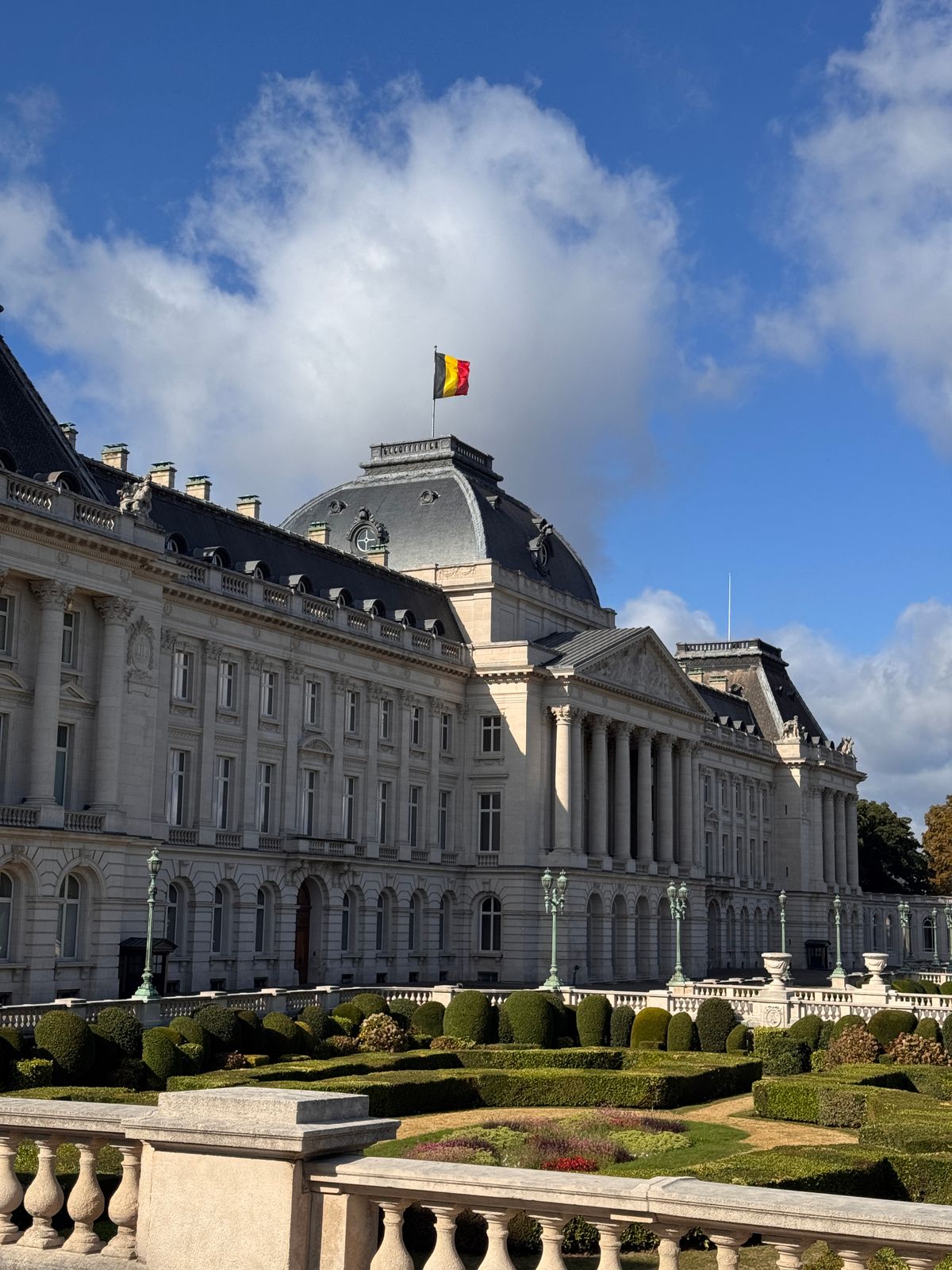
Readers visiting Brussels can connect monarchy with the city’s broader political and cultural history rather than seeking only royal photographs. Choose a museum or civic collection that places the nineteenth-century state, its institutions and its changing society in context. Consult current official information for any palace opening separately, because seasonal access is not a permanent invitation. For an armchair route, alternate the household biography with independent Belgian history and multilingual cultural writing. The resulting portrait will be less tidy than a ceremonial profile, but more useful: a king’s life becomes one thread in the country’s continuing public story.
Sources & further reading
Source links support the factual context. Practical examples and suggested workflows are original editorial guidance. Sources checked October 5, 2026.
Spotted something we should correct? Send a correction. Read our editorial policy.