Abomey’s kings: reading a dynasty through its palace courtyards
The former capital in Benin preserves royal authority in architecture, symbols and living cultural memory.
A succession built into a place
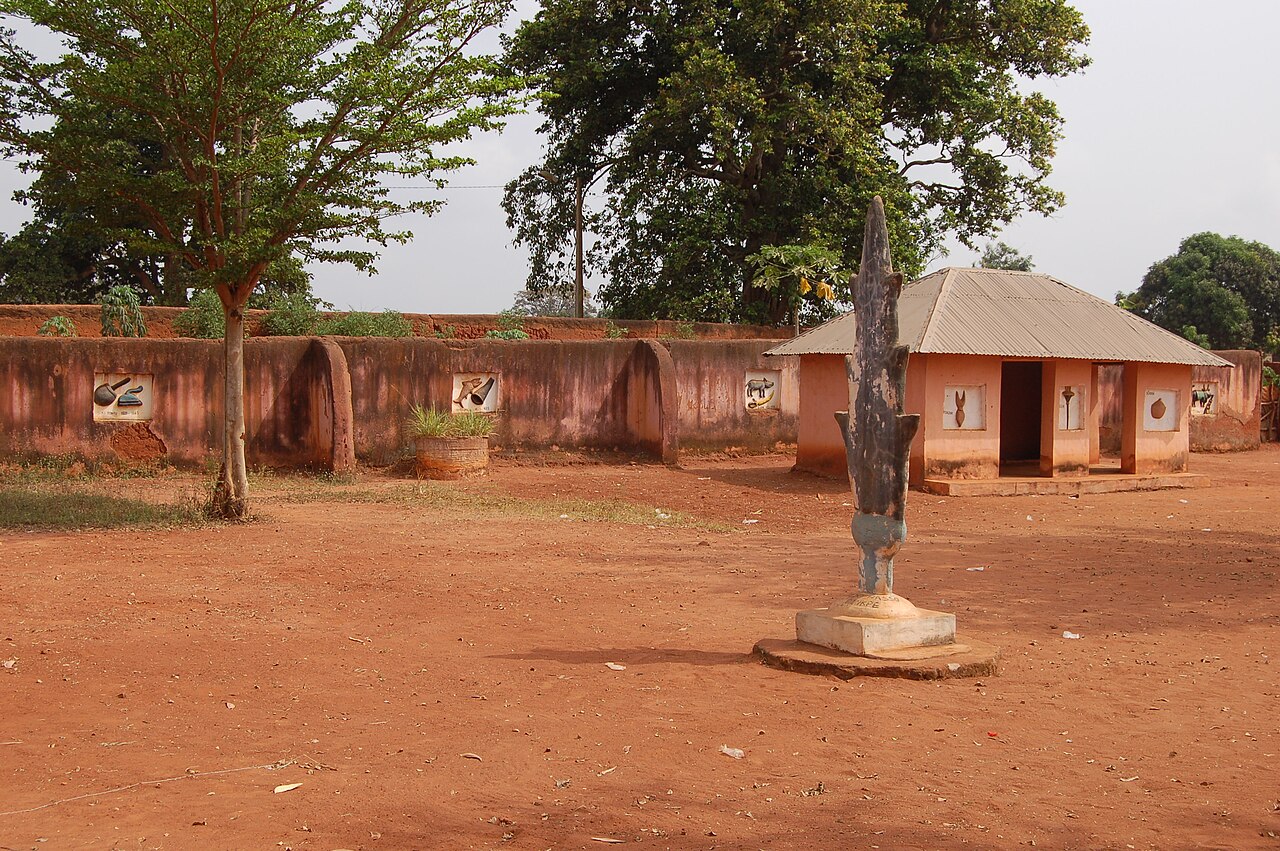
UNESCO describes the Royal Palaces of Abomey as major material evidence of the Kingdom of Dahomey, with successive rulers building within a shared palace area apart from an identified exception. Its account emphasizes courtyard arrangements, traditional materials and coloured reliefs. Those features make the site a valuable way into dynastic history. Instead of beginning with a generalized picture of an African king, start with the particular palace complex and its documented organization. Names, dates and symbols should be linked to the appropriate ruler when the evidence allows. Where a connection is uncertain, let the uncertainty remain visible rather than turning every feature into a convenient anecdote.
Courtyards organize a royal narrative
A sequence of courtyards can make differences of access and function physically clear. When studying Abomey, ask how a person’s movement through the complex related to public, official or more restricted activity. This is a question to explore through interpretation, not a permission to treat the modern visitor route as an exact reconstruction of court life. Notice the connection between enclosure and passage. A palace can express authority through the spaces people must cross as much as through a throne or an emblem. The site then becomes a record of institutional organization, helping readers understand kingship as a system of relationships rather than only a sequence of personalities.
Symbols need specific explanations
Royal emblems can be memorable, but a visitor should not guess their meaning from appearance alone. Record the ruler and explanation supplied by a reliable label or guide, then compare that information with a catalogue if available. Different kings may use different symbolic references within a larger tradition. Keeping those distinctions gives the dynasty historical texture. The same care belongs in accounts of warfare, resistance and relations with outsiders. A palace’s own commemorative language has purposes that deserve attention. To understand a reign fully, pair that language with broader regional history and accounts of the communities affected by royal power.
Heritage includes maintenance and memory
Abomey’s palace materials make conservation an ongoing part of the story. A surviving royal place is not preserved by admiration alone; it requires decisions about repair, use and interpretation. Read the heritage account for that present-day work as well as for dynastic history. Before a visit, obtain current local information and follow guidance concerning sacred or restricted areas. For an armchair study, choose one ruler and one associated architectural or symbolic feature, then trace the evidence carefully. That produces a manageable historical project and keeps the wider dynasty in view. The royal story becomes a conversation among architecture, cultural knowledge and conservation, with contemporary custodians as essential participants rather than invisible caretakers.
A small dynastic chart can help visitors keep successive rulers distinct, but leave blank spaces where dates or associations have not been established in your reading. A useful chart organizes evidence rather than making a neat story at any cost. Add each emblem only after checking its attribution in dependable interpretation.
Sources & further reading
Source links support the factual context. Practical examples and suggested workflows are original editorial guidance. Sources checked October 5, 2026.
Spotted something we should correct? Send a correction. Read our editorial policy.