Joseon’s royal tombs: how a king’s memory becomes a landscape
Korea’s royal burial sites reveal a carefully organized relationship between ancestors, ritual and authority.
A dynasty remembered across many places
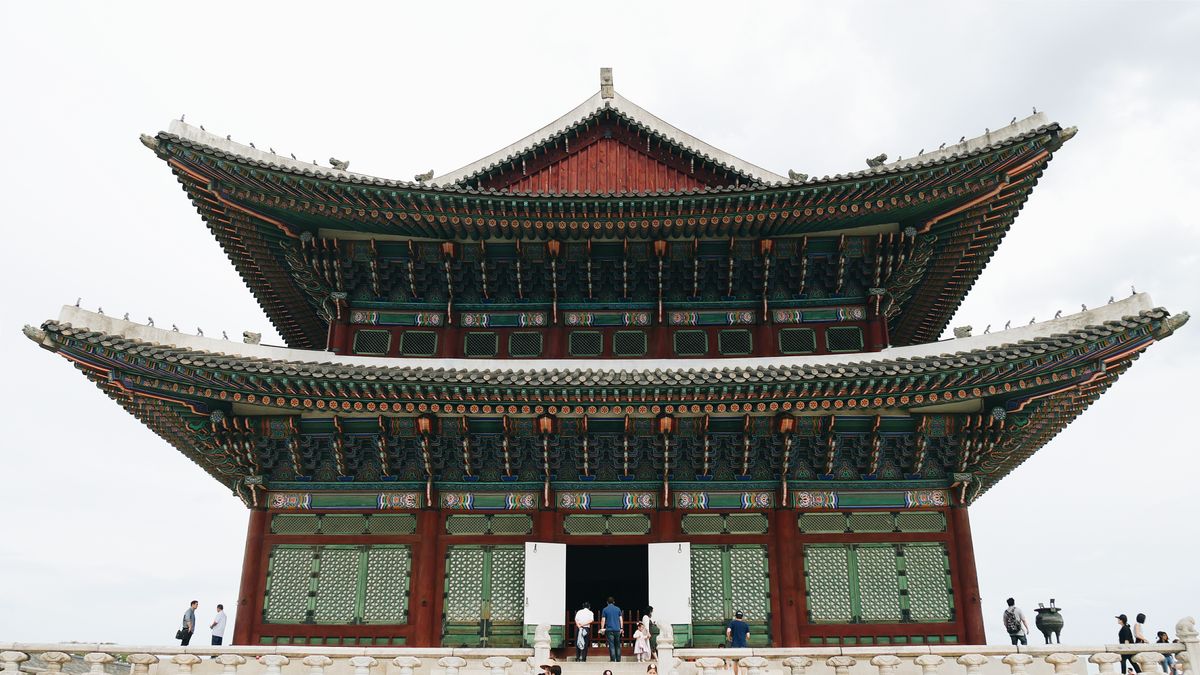
UNESCO describes the Royal Tombs of the Joseon Dynasty as a collection of forty tombs across eighteen locations, built over several centuries. Its account emphasizes the relationship among burial areas, ceremonial spaces, entrances and natural settings. Those details establish a substantial royal history beyond the story of one famous king. A tomb can honour a particular person while participating in a dynastic system. Begin by identifying the individual site and the ruler or consort associated with it, using reliable labels. Then look at how the arrangement connects that individual memory to shared forms. This prevents the whole property from becoming an undifferentiated landscape of royal graves.
Ritual space has a sequence
The arrangement of approach, ceremonial area and burial mound encourages visitors to consider movement as part of meaning. Ask where participants assembled, which structures served ritual functions and how the tomb’s position related to the terrain. Use the interpretation to establish these answers rather than assuming that modern paths reproduce every historical practice. The layout can show how remembrance was organized publicly and materially. It also shifts attention from a king’s private character to the continuing responsibilities of those who maintained ancestral observance. Kingship here is not only a living office; it is also a pattern of memory carried forward through structures, practices and custodianship.
A tomb is not a complete verdict on a reign
A dignified burial landscape can communicate honour without resolving every historical question about the person buried there. Read the site alongside political and cultural history. A ruler’s reputation may change as later generations emphasize different policies or events. Distinguish that evaluation from the material and ritual role of the tomb. Stone figures, buildings and site orientation answer questions about representation and remembrance more directly than questions about whether a reign was successful. This does not make the memorial less important. It clarifies what kind of source it is and encourages a balanced biography that can hold commemoration and critical historical analysis together.
Make comparison manageable
Choose one accessible tomb group and learn its interpretation before attempting to compare the entire dynasty. Check current visitor guidance from the responsible heritage authority for opening, routes and conduct, especially where ritual or conservation affects access. Record three features of the arrangement and one question about the associated ruler. Then use a reliable historical source to follow that question beyond the grounds. At home, maps and heritage documentation can support the same exercise. The result is a royal story in which landscape and architecture organize memory, while careful reading supplies the individual historical context. That combination is more revealing than judging a reign from the visual grandeur of its memorial alone.
An introductory sketch of the main zones can be more useful than a large album of isolated statues. Add only the functions supported by interpretation, and mark any uncertain feature as a question. The drawing provides a clear framework for later reading about ritual, which can otherwise seem disconnected from the physical arrangement of the grounds.
Sources & further reading
Source links support the factual context. Practical examples and suggested workflows are original editorial guidance. Sources checked October 5, 2026.
Spotted something we should correct? Send a correction. Read our editorial policy.