Henry VIII at Hampton Court: reading power through rooms
The king’s familiar image becomes more revealing when set against the spaces that organized court life.
Start with the historical king
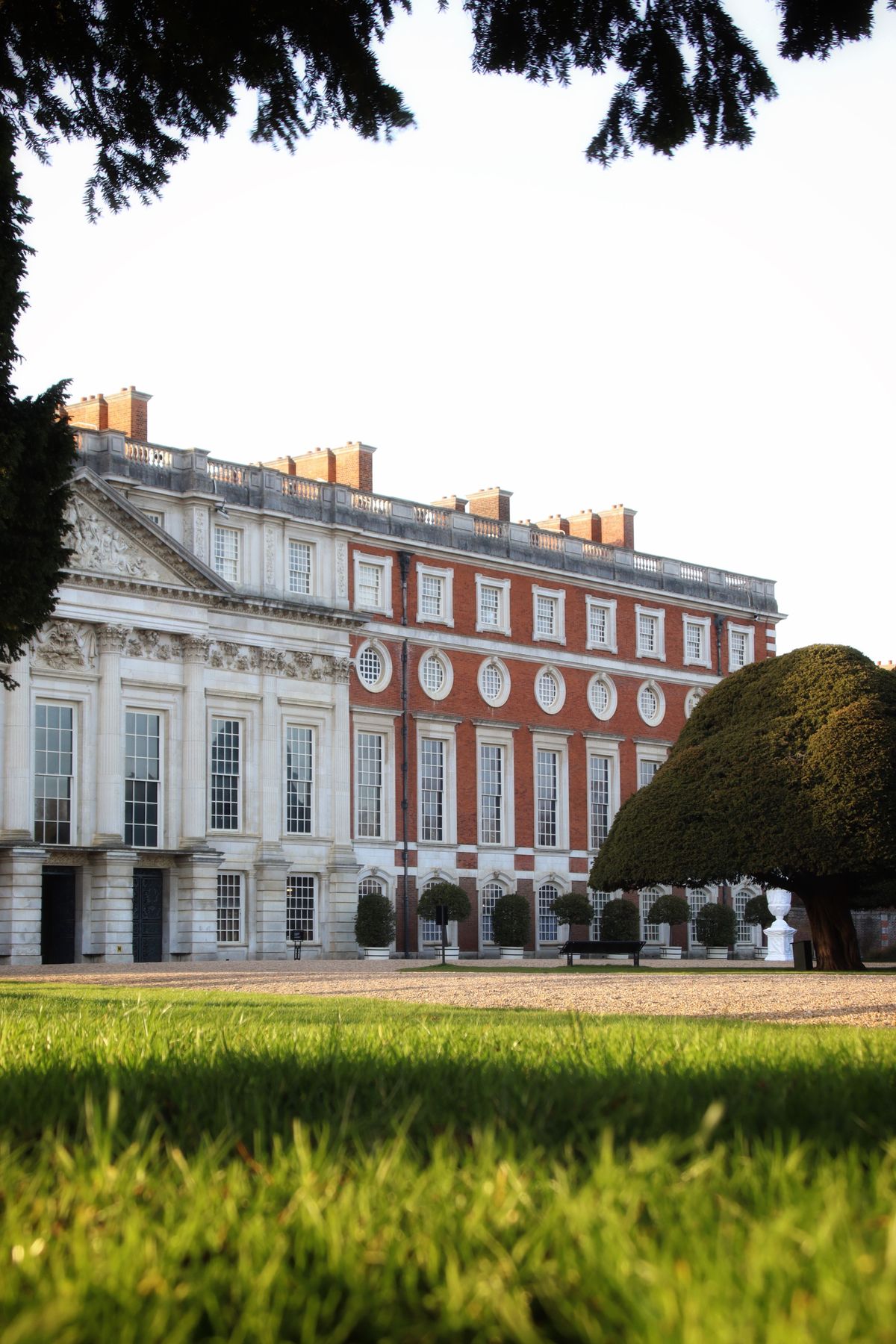
Historic Royal Palaces identifies Henry VIII’s accession in 1509 and explores the contrast between the young king and the controversial ruler he became. Hampton Court offers a material setting for that story. It can help readers move beyond a list of marriages, although those marriages remain part of the political and religious history. The useful starting question is how court life connected personal relationships with access to power. Rooms, routes and ceremonial spaces can clarify that relationship, provided we do not imagine that a surviving building records every conversation or preserves every period unchanged.
Think about movement, not only decoration
On a palace visit, notice how a route controls movement. A large public room and a more restricted room do different kinds of work even when both are richly decorated. Ask who could enter, what an audience might require and how waiting itself could express rank. These are questions to take to a guide or interpretation panel, rather than answers to invent from the modern visitor route. Today’s circulation may be designed for safety and access. Distinguishing the historic arrangement from the current museum route prevents an easy but misleading assumption that visitors are walking exactly as Tudor courtiers did.
Marriage is also institutional history
Royal marriages affected alliances, heirs and the distribution of status at court. They cannot be understood only as episodes of romantic success or failure. When reading Henry’s life, place the personal chronology beside the political and religious chronology. Note where an author provides evidence of a decision and where the author interprets intention. Avoid reducing queens to labels or treating punishment as entertaining spectacle. A strong account gives each person a historical setting and recognizes that institutions and families could impose very unequal choices. This makes the story both more accurate and more humane.
What portraits do to our expectations
A widely reproduced royal image can dominate the way we imagine a lifetime. Before visiting, compare the date of a portrait with the king’s age and stage of reign. A later image should not automatically stand in for a young ruler. Read clothing, posture and scale as choices in representation, not a complete description of temperament. At the palace, compare images with objects and architecture. Each preserves a different kind of evidence. A portrait communicates an intended appearance; a household account may reveal expenditure; a room can show a setting. Their usefulness increases when they are read together.
A focused Hampton Court visit
Choose one theme for the day: access to the king, food and hospitality, or the relationship between religion and monarchy. Follow that theme through the available interpretation instead of trying to memorize every date. Confirm current opening arrangements and tour options on the venue’s own site, and allow time for both interiors and the larger setting. Afterwards, write down three things directly supported by the visit and one question requiring further reading. That small exercise turns a famous royal attraction into a study of how power was organized, while leaving room for the uncertainty that honest history requires.
Sources & further reading
Source links support the factual context. Practical examples and suggested workflows are original editorial guidance. Sources checked October 5, 2026.
Spotted something we should correct? Send a correction. Read our editorial policy.