Louis XIV: the king who made Versailles a political stage
Court architecture provides a route into the Sun King’s reign without mistaking magnificence for a complete history.
A childhood crown and an adult project
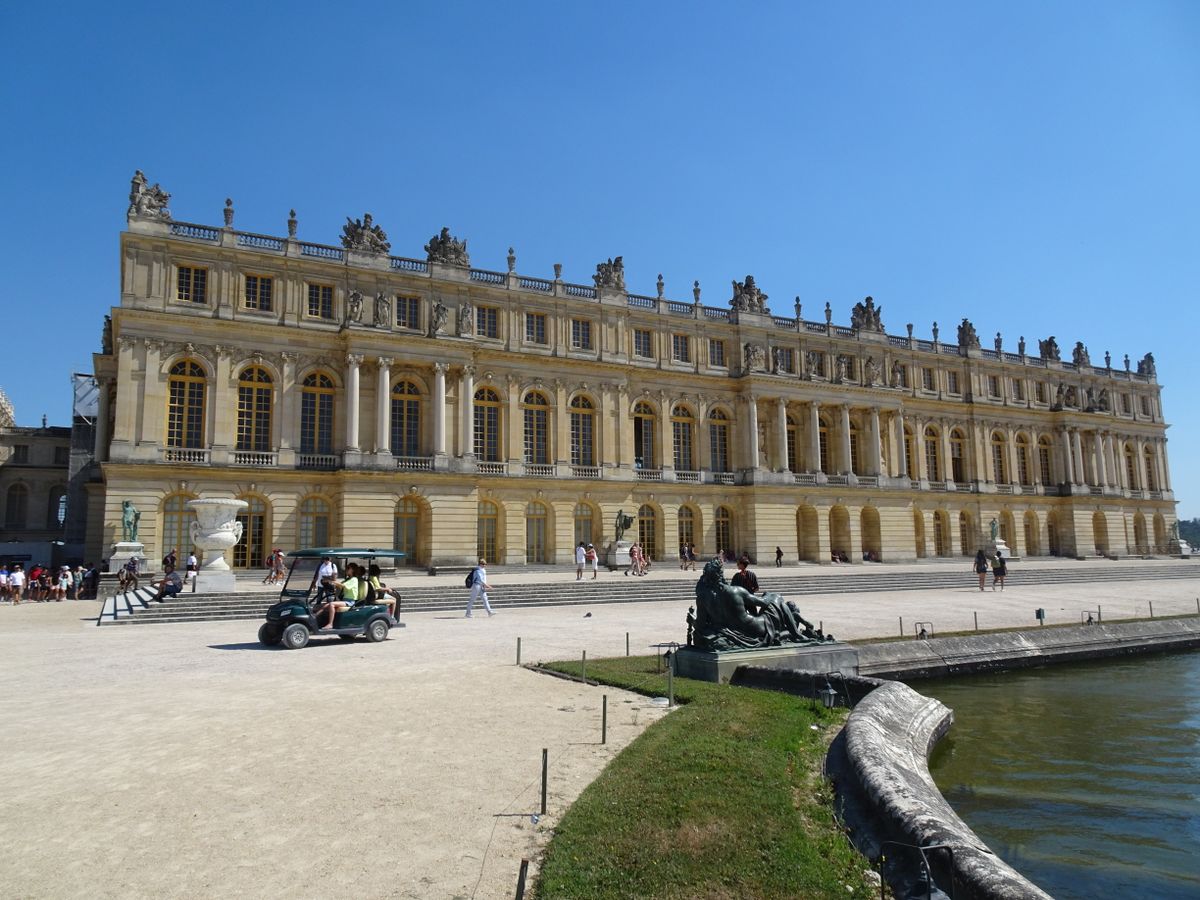
Versailles’ historical account records Louis XIV’s birth in 1638, his accession as a young child and the court’s establishment at Versailles in 1682. These few dates create a striking biographical arc: an inherited crown preceded the mature project most closely associated with his name. The palace account also addresses religious persecution, which should remain in any balanced reading of the reign. A story focused on gardens and galleries alone would leave out important consequences of royal policy. Begin with the chronology, then ask how the king’s public image, government and religious decisions interacted. A building is a powerful surviving source, but it cannot speak for all the people affected by its owner’s rule.
Splendour can organize behaviour
A court palace invites admiration, yet it can also organize access and rank. Think of the building as a setting in which invitations, audiences and waiting become visible expressions of hierarchy. This is an interpretive lens to test against guides and historical accounts rather than a claim that every visitor understands the rules instantly. Architecture makes some actions easy and others difficult; ceremony gives those actions meaning. Look at transitions between large spaces and smaller rooms. Ask how a person’s place in the court might be expressed through proximity. The result is a more substantial understanding of splendour: beauty and political organization can occupy the same space without being interchangeable.
The Sun King is an image to investigate
An epithet is useful shorthand, but it can become a substitute for thinking. When reading about the Sun King, ask who used the imagery, in which medium and for which audience. A painting, an architectural decoration and a modern souvenir can all repeat a symbol while serving different purposes. Compare one contemporary object with the explanation supplied by a museum catalogue. Keep the artist and date attached to the object. This makes royal image-making a historical process rather than an innate personal quality. It also leaves room for the many makers, workers and administrators whose efforts allowed a sovereign’s chosen image to become a vast material environment.
Read the palace alongside the kingdom
For a visit, choose a focused question before entering: how the court represented authority, how spaces controlled access, or how art connected the king to a larger historical narrative. Use current official visitor information for routes and tickets, and do not assume all private apartments are part of standard admission. For further reading, place a palace history beside a social or religious history of seventeenth-century France. Record what each explains and what it leaves aside. That balanced route does not require dismissing the achievement of Versailles. It makes the achievement legible as part of a reign with costs, conflicts and consequences, giving Louis XIV a historical life larger than his most famous architectural legacy.
One useful exercise is to draw a timeline beneath a palace plan. Mark which spaces your chosen source associates with which phase of development. Even a rough diagram discourages the assumption that the whole residence sprang fully formed from one decision, and makes the duration of the project easier to understand.
Sources & further reading
Source links support the factual context. Practical examples and suggested workflows are original editorial guidance. Sources checked October 5, 2026.
Spotted something we should correct? Send a correction. Read our editorial policy.