Sintra’s royal landscape: why Portugal’s palaces belong together
A cultural landscape helps explain royal taste without reducing an entire region to a single picturesque building.
Think in terms of a landscape
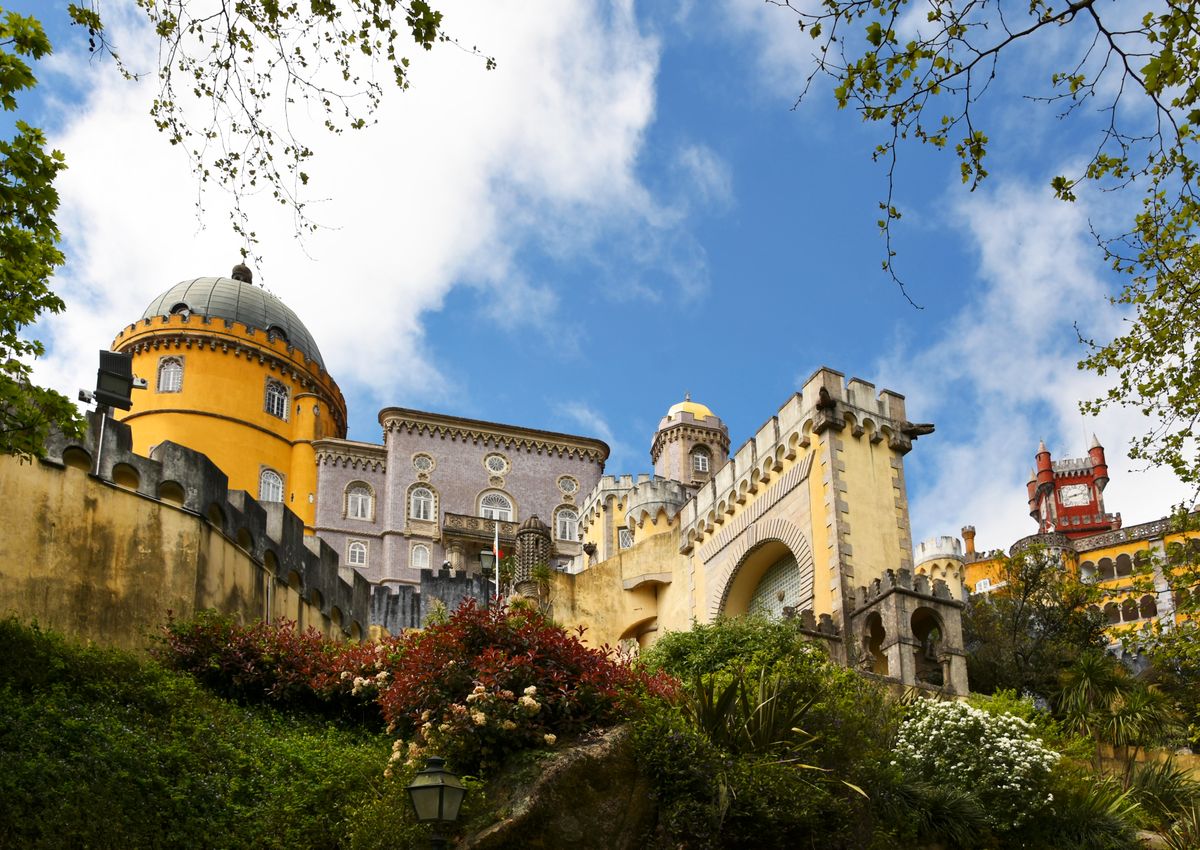
UNESCO identifies Sintra as a cultural landscape rather than only a palace monument. Its account connects buildings, parks and their setting, including the development of Romantic architecture. That designation is a useful starting point for readers interested in Portuguese royalty. A sovereign’s project may become more understandable when studied alongside approaches, gardens and views. Do not treat every structure in the area as the work of the same ruler or period. A simple timeline makes the differences visible. It allows medieval, early modern and later interventions to retain their own contexts instead of blending into a timeless royal dreamscape.
Taste is a historical choice
An eclectic or Romantic building can draw on imagined versions of the past. The result should be read as a later artistic choice, not automatically as authentic evidence of the era being evoked. Ask what the builder wanted to reference and what contemporary techniques made the design possible. This keeps the project connected to its own century. It also offers a richer account of royal taste. The question is not simply whether a king liked old castles, but how a court, architects and craftspeople assembled particular historical references into a new environment. The landscape becomes a work of interpretation as well as a place to inhabit.
Gardens change the scale of the story
Moving between a palace and its grounds can reveal how a residence relates to terrain, planting and designed views. Notice whether a path reveals a building gradually or presents it from a formal axis. These observations should be paired with interpretation rather than converted into claims about the ruler’s private moods. A garden can invite a particular experience without proving that every visitor or owner felt the same emotion. It also depends on sustained labour. Reading the grounds as part of the royal story makes gardeners, designers and later conservators more visible, widening the narrative beyond the patron whose name receives the largest label.
Choose a realistic cultural itinerary
Before travelling, decide whether your main interest is a palace interior, architectural comparison or the wider landscape. Check each venue’s current admission and transport information separately, because a heritage designation does not create a single ticket or identical opening arrangements. Allow enough time to understand one site before adding another. For an armchair route, compare maps, dated images and the heritage description, then read a concise history of Portugal’s monarchy. The most useful question is how royal patronage shaped the landscape over time and how later conservation presents it today. Sintra then becomes a connected cultural history, with distinct periods and makers, rather than a sequence of beautiful photographs detached from their origins.
A comparison of exterior and interior can be particularly revealing. Ask whether the outside suggests a period or atmosphere that continues inside, then consult the explanation before reaching a conclusion. The exercise makes eclectic design easier to recognize and gives visitors a concrete way to discuss artistic choices without reducing them to personal whim.
Sources & further reading
Source links support the factual context. Practical examples and suggested workflows are original editorial guidance. Sources checked October 5, 2026.
Spotted something we should correct? Send a correction. Read our editorial policy.