Ambohimanga: royal history in a sacred Malagasy landscape
Madagascar’s royal hill asks visitors to read buildings, memory and worship together.
A royal place with continuing meaning
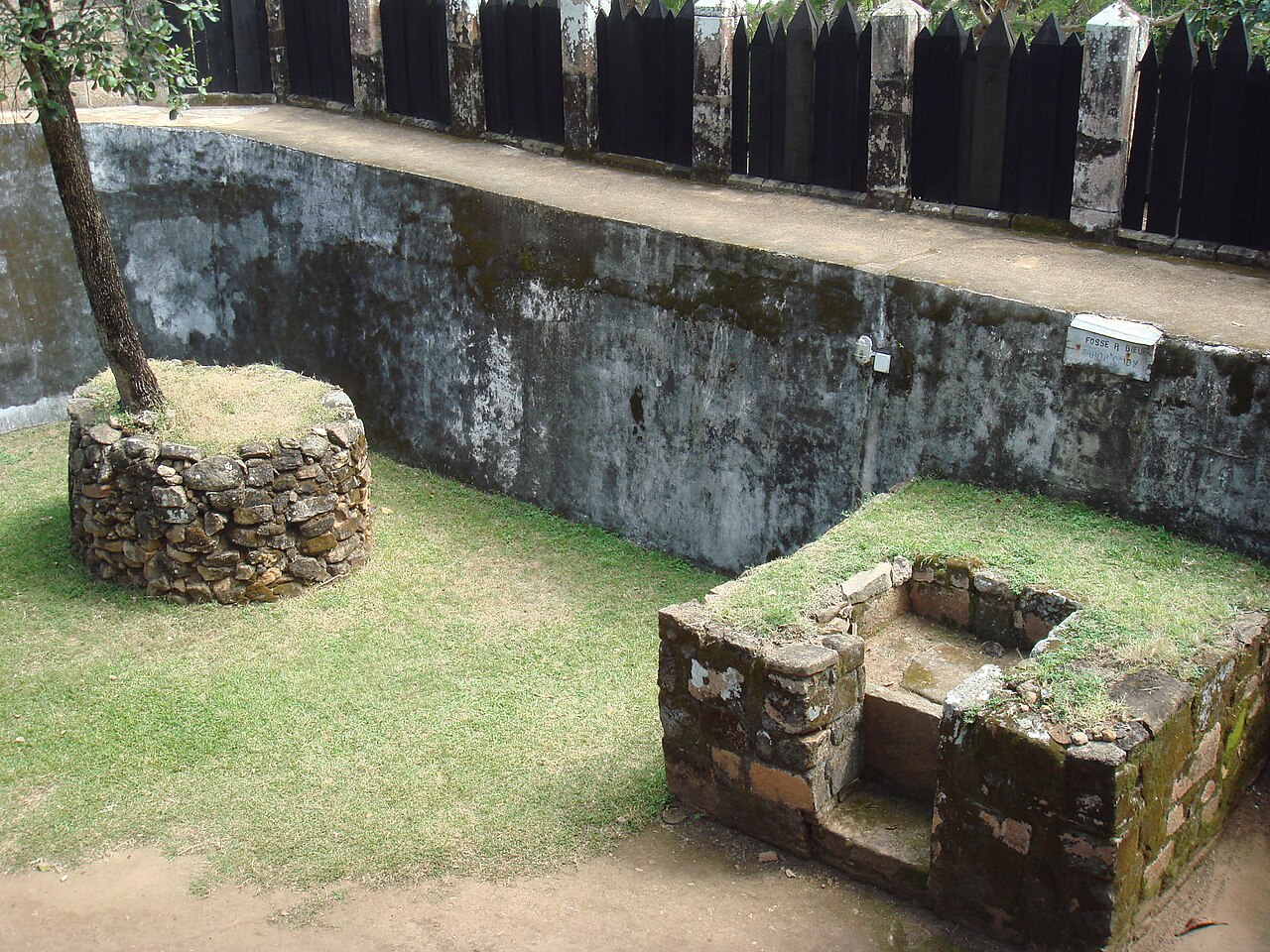
UNESCO describes Ambohimanga as a royal city, burial site and ensemble of sacred places associated with Madagascar’s cultural identity. Its account emphasizes continuing spiritual significance and pilgrimage, alongside the material evidence of earlier royal power. That combination should guide the way the site is introduced. It is not merely a picturesque collection of old buildings awaiting a tourist’s interpretation. It belongs to a landscape of memory and practice. Begin by learning how the different components are connected, using reliable local interpretation where possible. A royal history that isolates a palace from sacred places or surrounding land would miss a central part of the site’s meaning.
Landscape belongs inside the biography
In many familiar royal stories, the landscape appears as scenery behind a named ruler. Here it is more useful to treat the hill, approaches and surrounding features as part of the historical subject. Position can relate to visibility, defence and symbolic importance, while specific sacred places carry meanings that a photograph cannot fully explain. Ask how these relationships are described by custodians and scholars. Do not convert a striking view into a claim about a sovereign’s personal preference without evidence. The landscape can help explain the organization of authority and memory even where the inner life of an individual ruler remains less accessible.
Respect changes what a visitor notices
A good visit begins with recognizing that worship and tourism may share a place. Follow local guidance concerning conduct, access and photography, and allow ceremonies or sacred use their own space. These are practical ways of seeing the site accurately, because its continuing functions belong to its significance. Look at differences among places for the living, memorial spaces and ceremonial settings, using the explanations provided rather than projecting a familiar European palace model onto them. The aim is to learn the particular cultural relationships present here. That attention also makes the experience more rewarding than treating every structure as an interchangeable royal attraction.
Prepare a focused cultural route
Consult current local travel and visitor information separately from the UNESCO description, especially for practical arrangements and available interpretation. Prepare two or three questions: how royal authority was expressed, how ancestors are remembered and how conservation protects both structures and living meaning. After a visit, distinguish what you observed from what a guide explained and what further reading established. An armchair reader can use the same three-part method with photographs, heritage documentation and Malagasy history. The result is a richer royal story, one in which buildings and landscape participate in a continuing culture. Ambohimanga’s value lies partly in resisting the idea that monarchy becomes understandable only when translated into the familiar language of a court elsewhere.
Photographic preparation can also be thoughtful: select a landscape view and ask what its frame leaves out. Paths, cultivated land or places of worship may be less conspicuous than a building yet essential to its context. This exercise reminds an armchair reader that the most widely circulated image is one viewpoint, not the entire place.
Sources & further reading
Source links support the factual context. Practical examples and suggested workflows are original editorial guidance. Sources checked October 5, 2026.
Spotted something we should correct? Send a correction. Read our editorial policy.