Ludwig II’s palaces after UNESCO recognition: dreams with a history
Bavaria’s four palace complexes entered the World Heritage List in 2025 and offer more than a fairy-tale silhouette.
A recent recognition of nineteenth-century projects
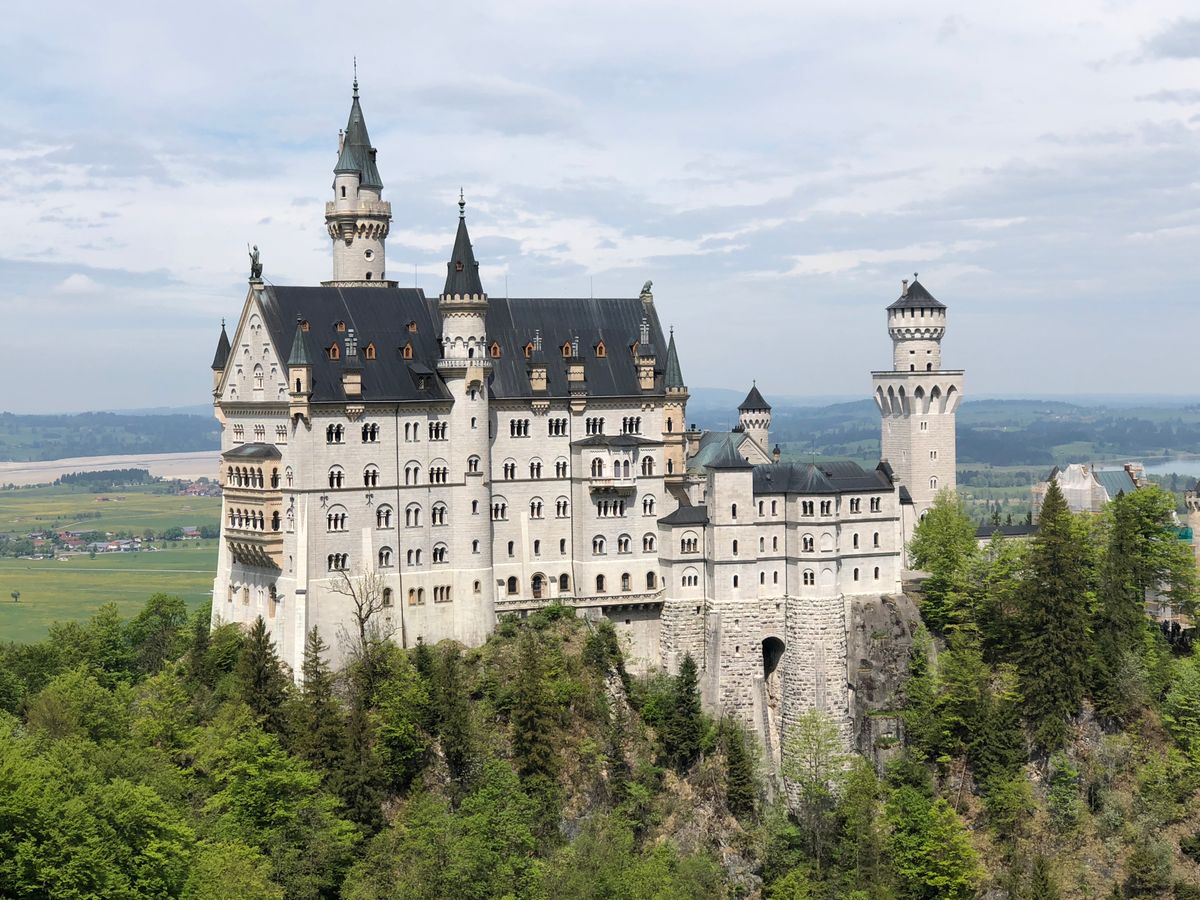
UNESCO’s World Heritage listing records the 2025 inscription of four palace complexes associated with Ludwig II of Bavaria: Neuschwanstein, Linderhof, Schachen and Herrenchiemsee. It places their construction in the period from 1868 to 1886 and describes their relationship with historicism, artistic imagination and modern technical possibilities. That context changes the familiar story. These are nineteenth-century works drawing on other times and worlds, rather than medieval survivals merely waiting to be photographed. The recent recognition provides a useful reason to revisit the king’s cultural legacy, but the heritage designation is not a complete biography or a verdict on every aspect of his rule.
A historical reference is not the same as a historical building
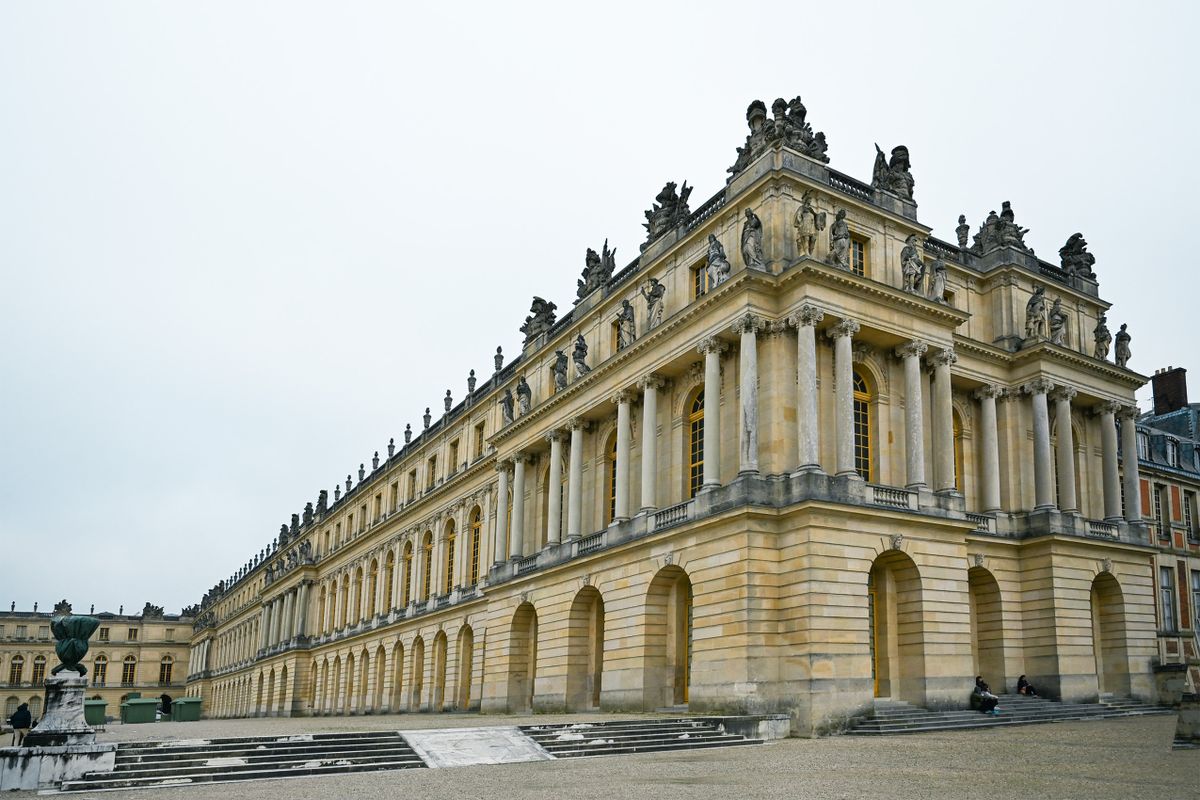
When a palace evokes an earlier castle or Versailles, ask how that reference was transformed. Scale, materials, layout and technology may create a new experience even when the inspiration is recognizable. This makes the builder’s own period central to interpretation. A visitor can admire the evoked past while studying the nineteenth-century choices that produced it. The same care belongs in language: “fairy tale” may describe a response to the architecture, but it should not replace dates and evidence. Keeping both levels visible allows the buildings to remain imaginative without turning their history into fiction or using a picturesque label as a diagnosis of their patron.
Four sites make a more complex portrait
Neuschwanstein’s familiar outline can dominate the whole subject. The UNESCO grouping invites comparison with the other complexes, which differ in setting and artistic approach. Read them together through plans, photographs and interpretation before deciding what they suggest about royal patronage. The comparison makes architecture a series of choices rather than the expression of one repeated fantasy. It also brings designers, artisans and technical specialists into the story. A king may provide direction and resources, but the finished environments depend on collective work. This is a useful way to understand royal cultural projects without assigning every detail to a single person’s imagination.
Visit the buildings and study their preservation
Use the Bavarian Palace Department’s current visitor information for reservations, transport, seasonal access and physical routes, treating each complex as a separate practical destination. A new heritage listing can attract attention, but it does not remove conservation needs or make every room accessible. Choose one site for close study, then compare a second through reliable images or a later visit. Note which elements are original, restored or interpreted for today’s audience. The strongest royal story connects Ludwig’s projects with their artistic context and with the present work of preserving them. That route retains the pleasure of extraordinary architecture while giving the king, the makers and the custodians distinct places in its history.
An especially useful comparison concerns technology: look for interpretation explaining how a theatrical effect or a practical comfort was achieved. It places the seemingly distant historical world inside the innovations of the nineteenth century. The result can be more surprising than the fairy-tale view, showing imagination and technical expertise working in the same project.
Sources & further reading
Source links support the factual context. Practical examples and suggested workflows are original editorial guidance. Sources checked October 5, 2026.
Spotted something we should correct? Send a correction. Read our editorial policy.