Ashurbanipal’s library: a king, a collection and unfinished questions
The clay tablets of Nineveh reveal why a celebrated royal collection still demands patient research.
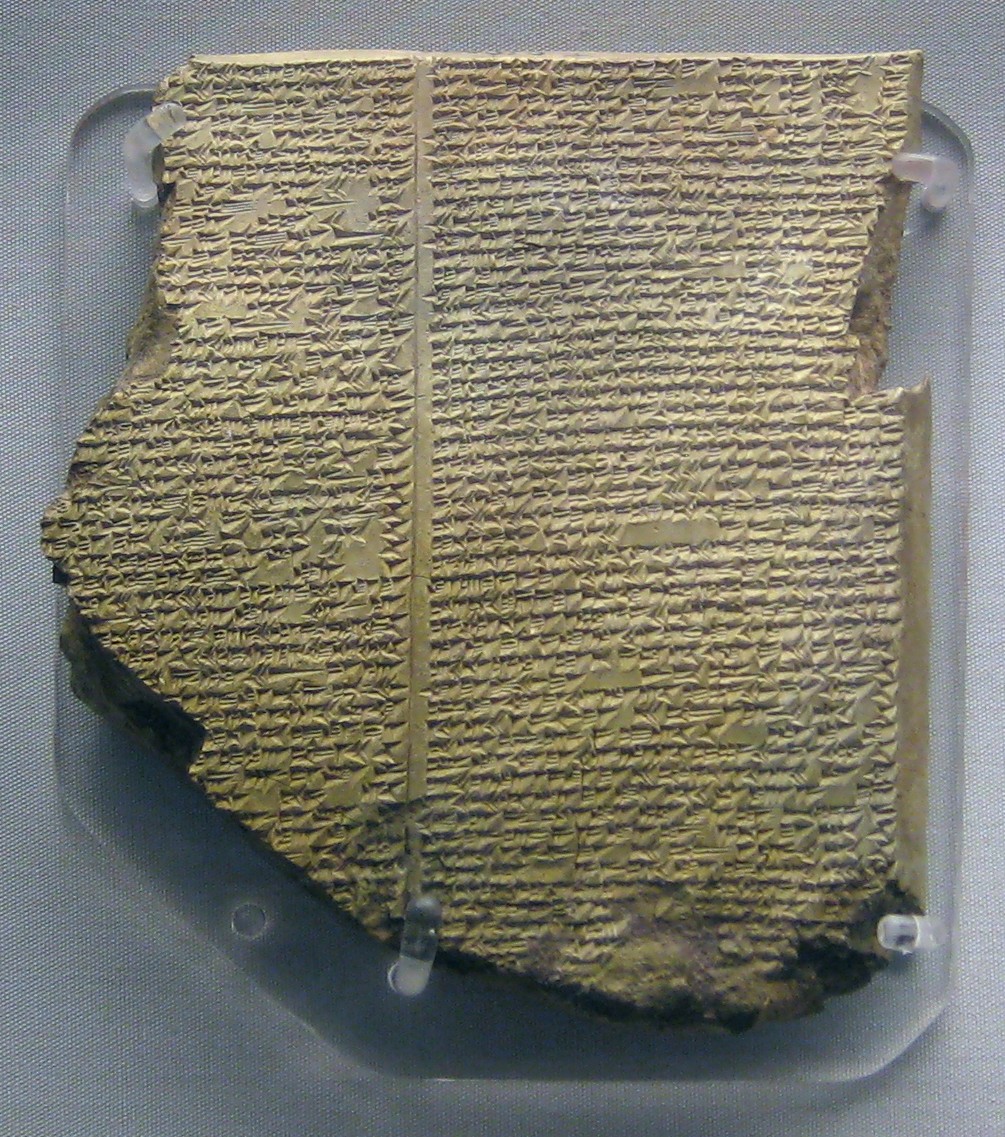
A collection whose scale invites care
The British Museum’s library research page describes more than 30,000 cuneiform tablets found in the ruins of Nineveh and associates the collection with the Assyrian king Ashurbanipal. It also emphasizes that important questions remain about the collection as a whole and what it was for. That combination is a useful corrective to an easy royal legend. The survival of a very large body of writing does not mean that historians have fully reconstructed its organization or purposes. It means there is a substantial body of evidence that requires cataloguing, translation and interpretation. The king’s name provides an entry point; the scholarly work explains why the story remains open.
A library is more than a pile of texts
When imagining an ancient royal library, avoid projecting a modern lending library backward. Instead, ask how texts were gathered, copied, marked and used. These questions make the work of scribes visible and separate a royal collection’s prestige from its daily operation. A tablet can preserve information about both its subject and its own handling. Ownership marks or notes may be as useful as the main text for understanding a collection. Read them as evidence of practices, not decorative extras. The broader royal story then becomes one about administration and knowledge-making, involving many people whose names may survive less prominently than the sovereign’s.
Collection does not erase conquest
An impressive library can encourage a picture of a ruler as a scholar alone. A balanced biography should place cultural patronage beside the military and political history of the empire. That does not require resolving the person into a single label. It requires examining different kinds of action with appropriate evidence. Ask what the library tells you directly and which questions need other sources. A tablet collection may illuminate scholarship without supplying a complete account of a campaign or a conquered community. Keeping the categories distinct allows readers to appreciate intellectual achievement while refusing to let it cover every other part of imperial rule.
Follow one tablet rather than the whole legend
For an accessible project, choose a tablet with a readable catalogue entry and follow its material, language, subject and provenance. Note whether the text is complete and whether the translation contains uncertain passages. A fragment can be informative without yielding a seamless narrative. Visitors should consult the museum’s current display guidance; online readers can use catalogue and research pages to move beyond an attractive photograph. The most useful takeaway is the method: the fame of Ashurbanipal’s library should prompt more precise questions, not less. Its surviving material connects a king’s court with the patient labour of ancient scribes and the equally patient work of modern researchers.
A useful notebook can follow the chain from excavation to museum record to published translation. Each stage adds information and may leave something unresolved. Seeing that chain helps explain why a tiny fragment can receive sustained scholarly attention and why the total number of tablets alone tells us little about the completeness of individual works.
Sources & further reading
Source links support the factual context. Practical examples and suggested workflows are original editorial guidance. Sources checked October 5, 2026.
Spotted something we should correct? Send a correction. Read our editorial policy.